Every year, usually in December, Jewish people around the world celebrate Hanukkah with lights, gifts, and—of course—language!
The holiday marks the long-ago victory of a small group of people against a powerful oppressor and the subsequent rededication of the Second Holy Temple in Jerusalem. During this rededication, only a small amount of oil was found to light the Temple’s Eternal Flame. The oil would have normally been just enough to keep the flame lit for one night, but instead, the flame miraculously kept burning for eight nights.
Here are the words, foods, and traditions of Hanukkah around the world!
Hanukkah or Chanukah?
In the English-speaking world, there are two spellings you’ll likely see… but which is correct?
The answer? Both!
The word Hanukkah is one possible representation of the Hebrew word חנוכה, which means dedication. Hebrew has some sounds that don’t have exact equivalents in English, so different English spellings are used to best represent the first sound of the word, which in Hebrew is pronounced in the very back of your mouth, just where your throat starts.
The basics of Hanukkah vocabulary
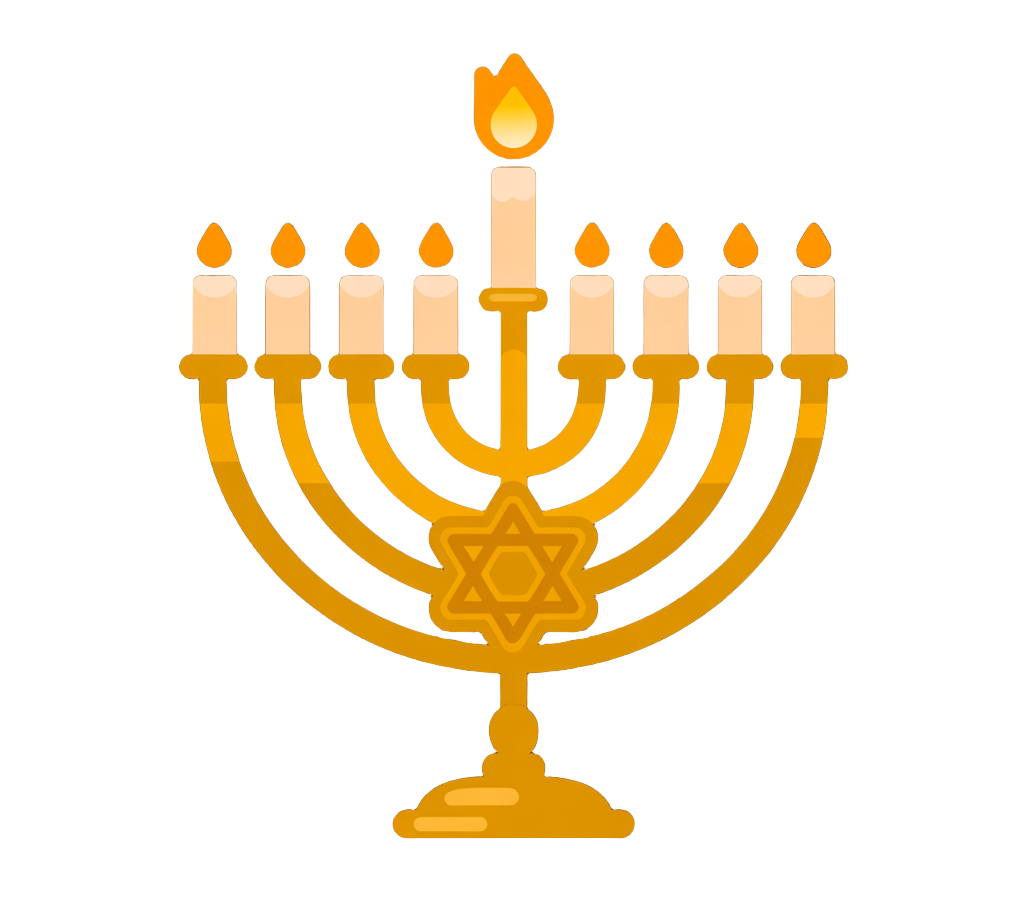
The most famous Hanukkah tradition is the lighting of a nine-branched candelabra, or hanukiyah—thats why the holiday is also called the Festival of Lights! Because Jewish people live in many different parts of the world, Jews of different cultures also have their own diverse Hanukkah traditions.
Here are some words and phrases associated with Hanukkah:
- Hanukah sameach!: Hebrew for “Happy Hanukkah”
- hanukiyah: the special nine-branched candelabra that is lit on Hanukkah, often referred to by the more general term menorah
- shamash: the helper candle used to light the other candles on the hanukiyah
- Kislev: the ninth month of the Hebrew year, during which Hanukkah starts
- Nes gadol hayah sham: Hebrew for “A great miracle happened there,” a reference to the tiny amount of oil that miraculously lasted for eight nights
Hanukkah foods
What’s with all that oil? You might notice that many traditional foods eaten on Hanukkah are fried! This tasty tradition is another way to remember the oil at the center of the Hanukkah story.
Here are some of the Hanukkah treats you’ll find around the world:
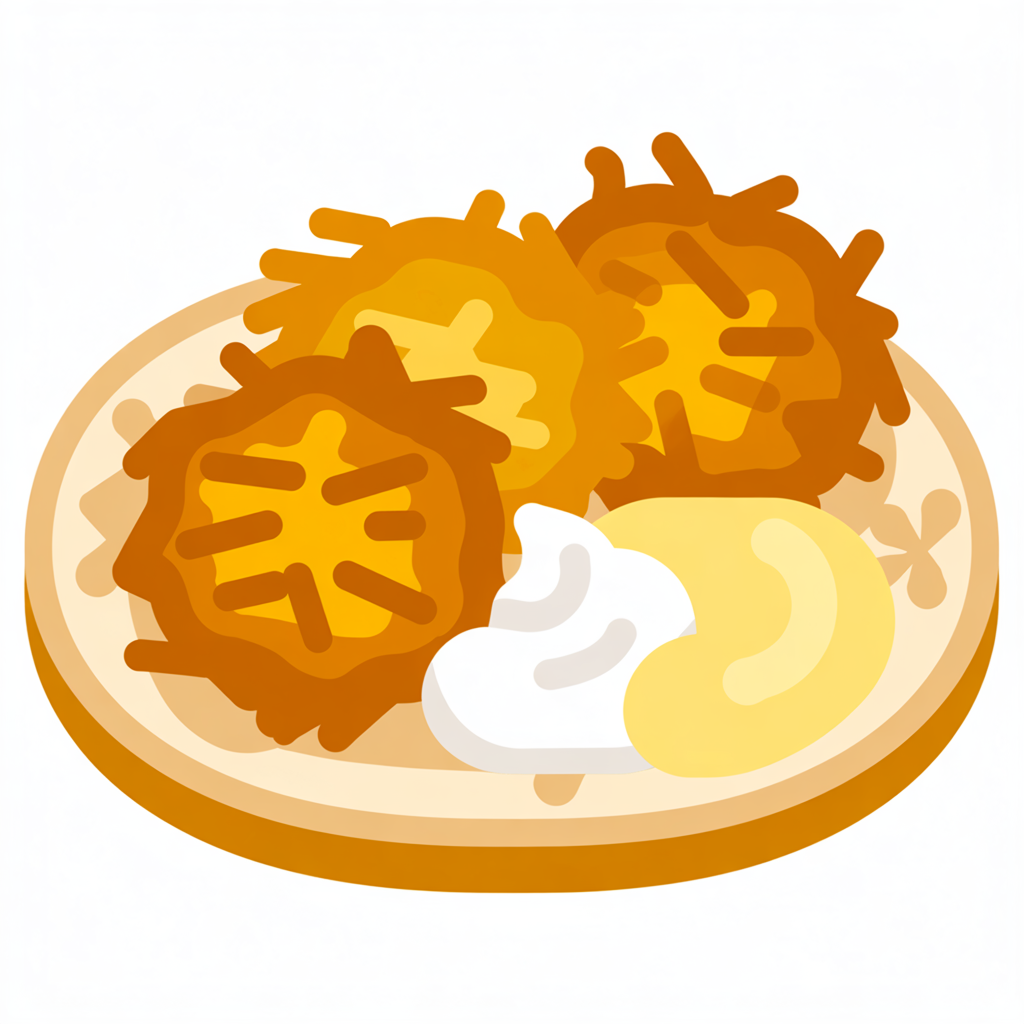
- latke: a fried potato pancake made by Eastern European Jews, often eaten with sour cream and apple sauce
- sufganyot: jelly-filled donuts, especially popular in Israel
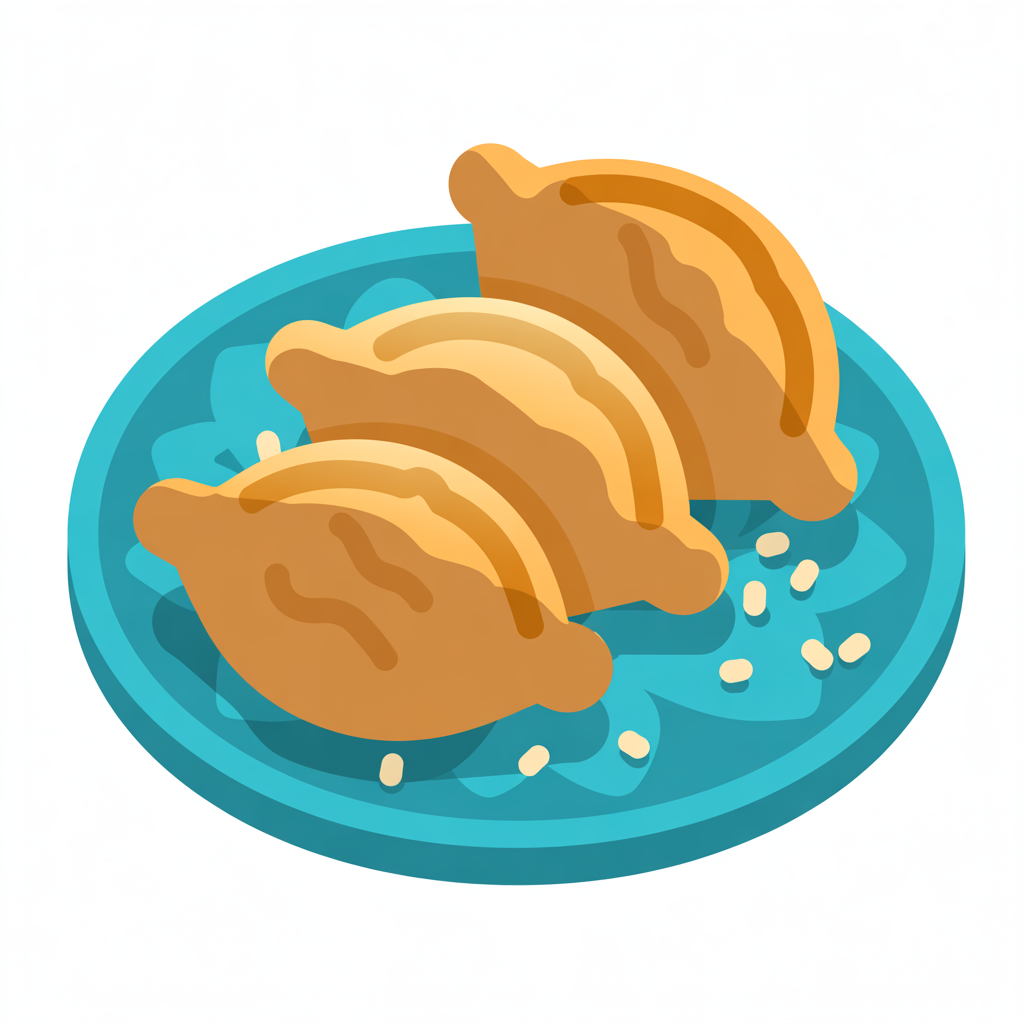
- sambousak b’tawa: fried chickpea turnovers eaten by Iraqi Jews
- frittelle di Chanukah: fried dough with raisins and anise, topped with honey and eaten by Italian Jews
 |
 |
Games and traditions
Tasty treats are just the beginning—there are also special Hanukkah traditions to look forward to!
- dreidl: the four-sided spinning top with a Hebrew letter on each side representing each word in the phrase Nes gadol hayah sham and which is used by Eastern Europeans Jews on Hanukkah to play a traditional betting game
- gelt: literally money in Yiddish (the traditional language of Eastern European Jews), it also refers to the chocolate coins often given out during Hanukkah and used in the game of dreidl
- toma todo: a betting game also involving a spinning top played by Mexican Jews
- pirinola: the six-sided spinning top used to play toma todo
- merenda: a potluck traditionally held by some Sephardic Jews (those of Spanish origin) on the last night of Hanukkah
- Chag HaBanot: Hebrew for Festival of the Daughters, this celebration takes place on the 7th night of Hanukkah by Jews in North Africa and features women dancing, giving gifts to their daughters, and eating a feast featuring dairy foods
Happy Hanukkah!
However you choose to celebrate, we hope you have a joyous Hanukkah filled with light!