The word stalemate originated from the Middle English stale, meaning at a fixed position, and mate, from checkmate. Today, it can be used outside the world of chess to describe a variety of situations that are at a standstill, but it got its start in chess!
A stalemate in chess describes a deadlock with no moves left for one side to play, which results in the end of the game.
However, a stalemate was not always a draw the way it is today. Throughout history, stalemate was treated as a win, a loss, a draw, or even illegal at times!
This guide will take you through everything you need to know.
In this post:
What is stalemate?
Stalemate is when the player whose turn it is to move no longer has any legal moves to make, but is not in check.
This is different from checkmate, in which a player also no longer has any more legal moves to play, but they are in check.
While stalemate is one of many possible types of draws in chess, it is not synonymous with a draw. A game can also result in a draw if, for example, both players simply agree to a draw or both players trade off almost all the pieces on the board (also known as insufficient mating material).
What are different types of stalemate?
Here are some examples of common stalemates that you might run into:
1. An accidental stalemate when trying to checkmate with a lone king and rook:
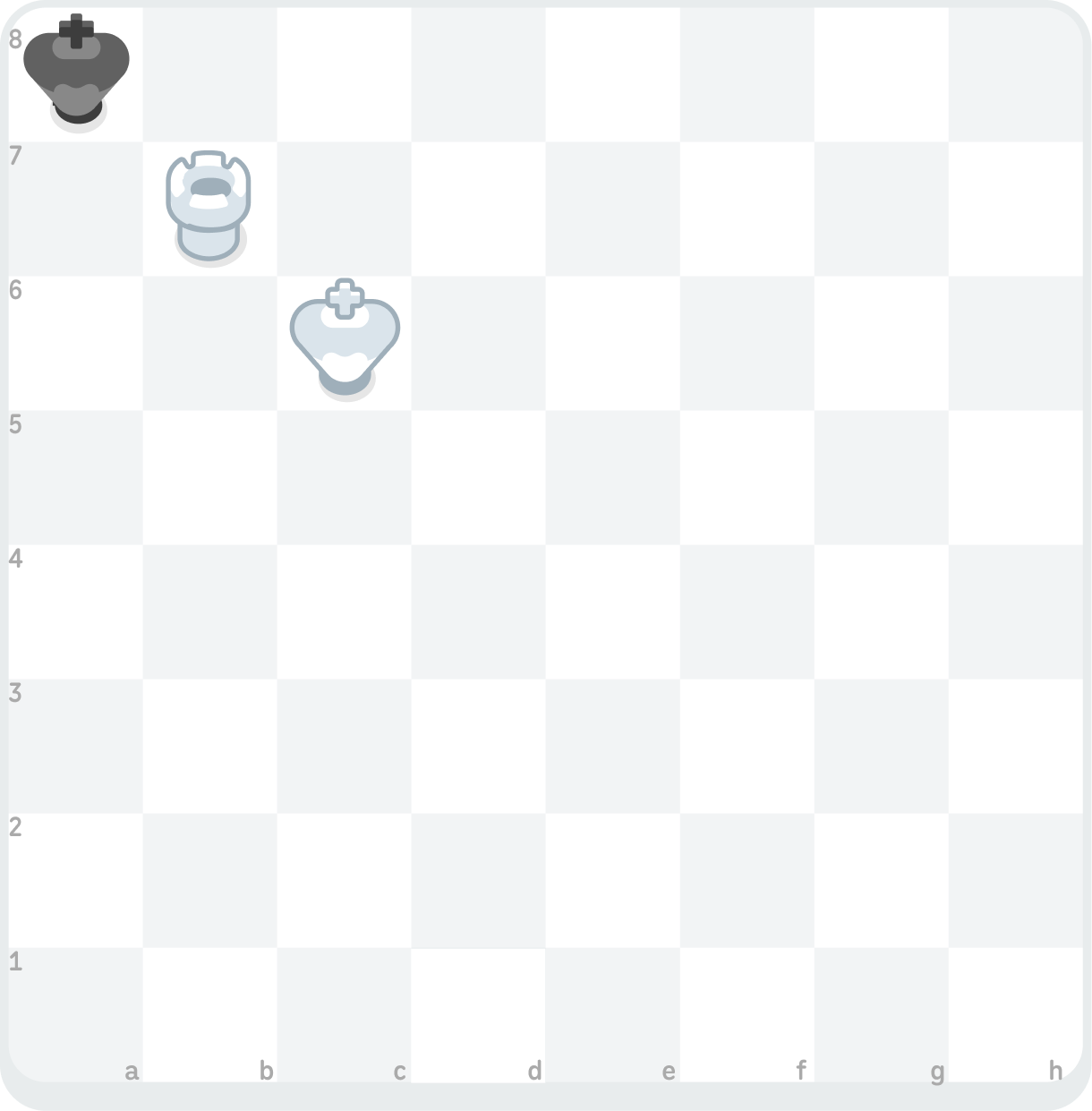
This position is a stalemate because Black has no legal moves to play, but is not in check.
2. A king and pawn vs. king stalemate:
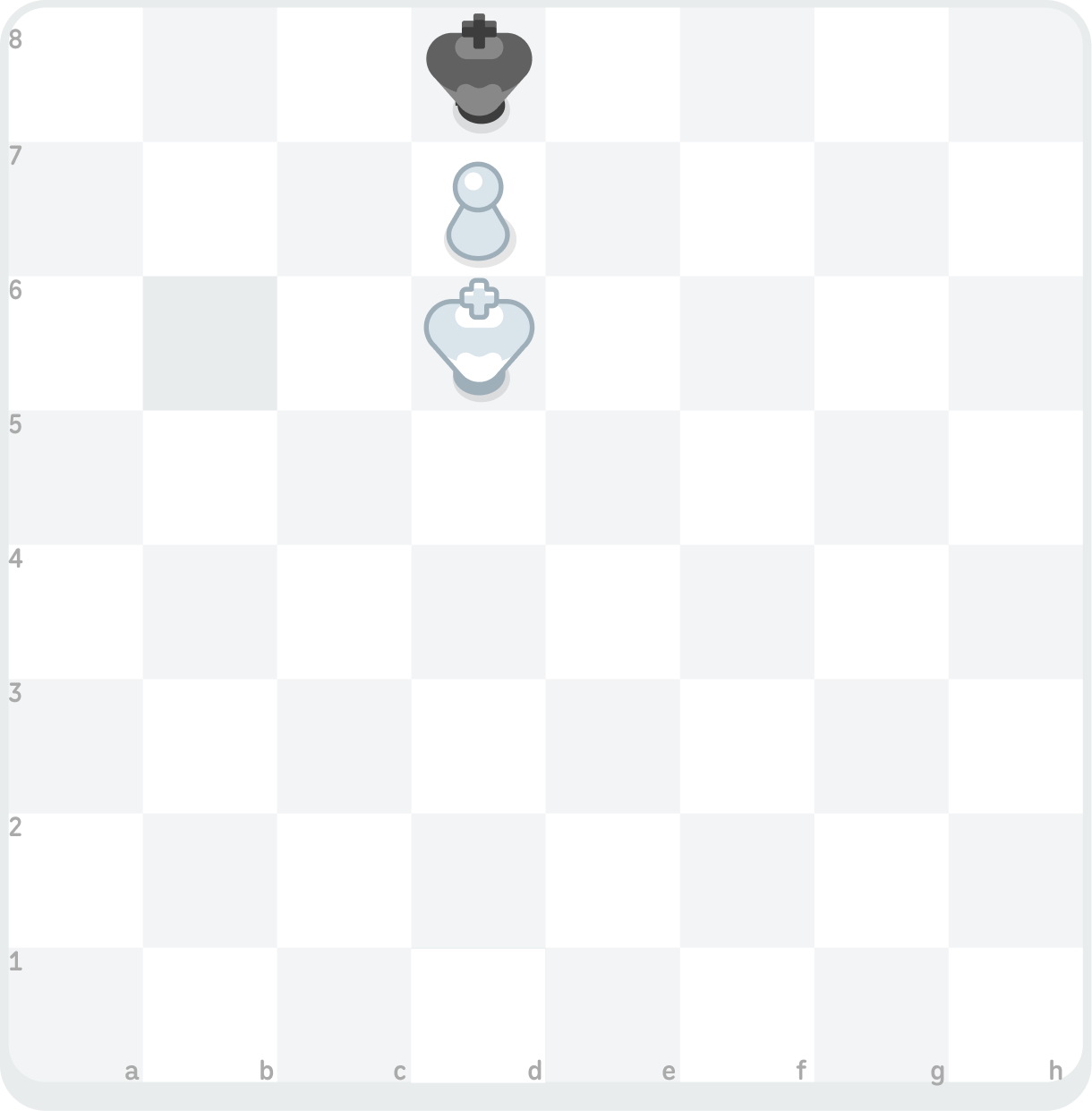
This is a stalemate, because Black has no legal moves but is not in check.
This king and pawn vs. king endgame is a draw if Black gains the opposition, which is how this game ended up in stalemate.
3. A king and “knight pawn” (a pawn on the b-file or f-file) vs. king stalemate:
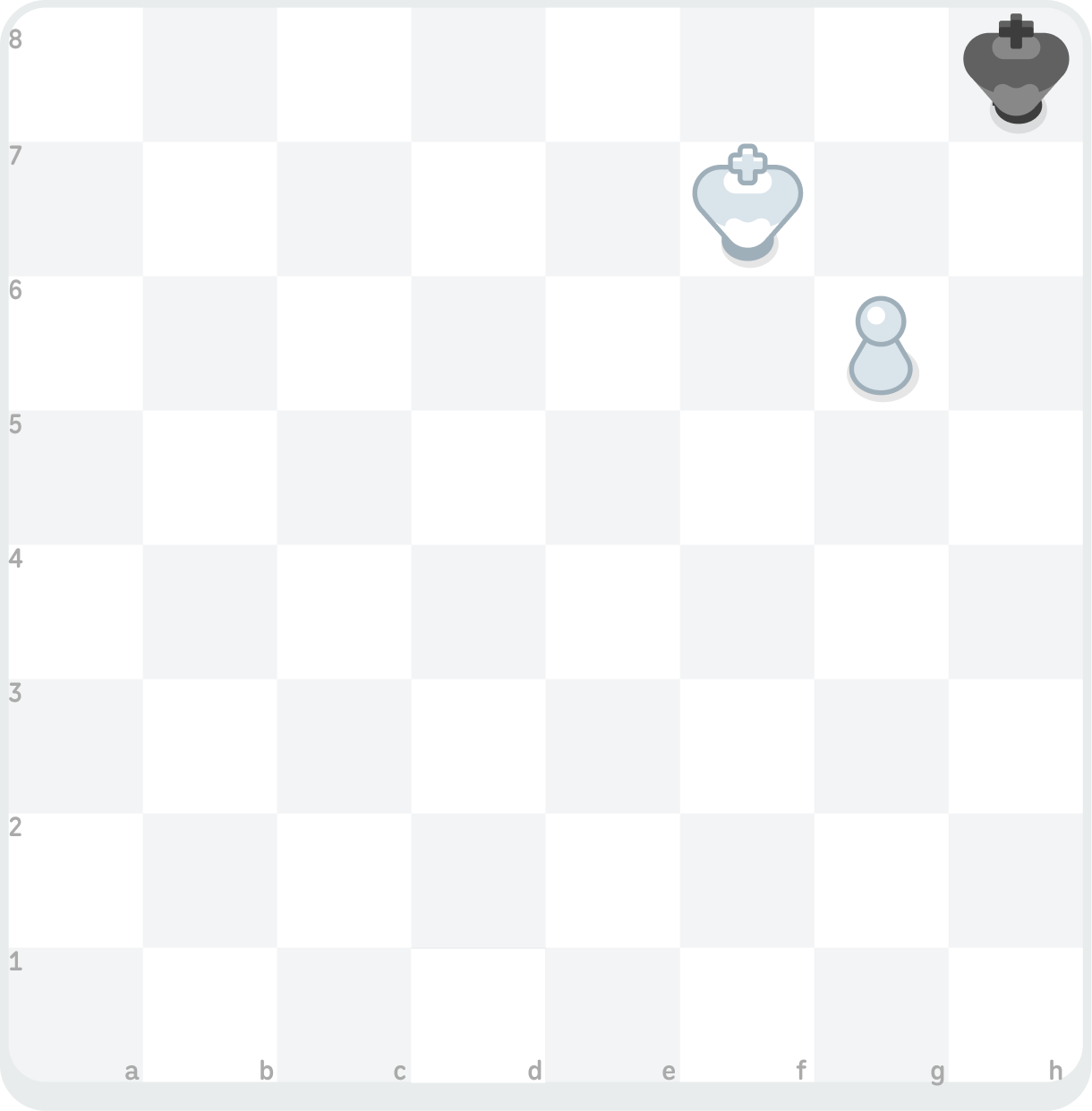
Because Black has no moves left to play but is not in check, this is stalemate.
This king and pawn vs. king endgame can also be a draw if Black’s king can reach the corner, which is how this game ended up in stalemate.
4. A king and “rook pawn” (a pawn on the a-file or h-file) vs. king stalemate:
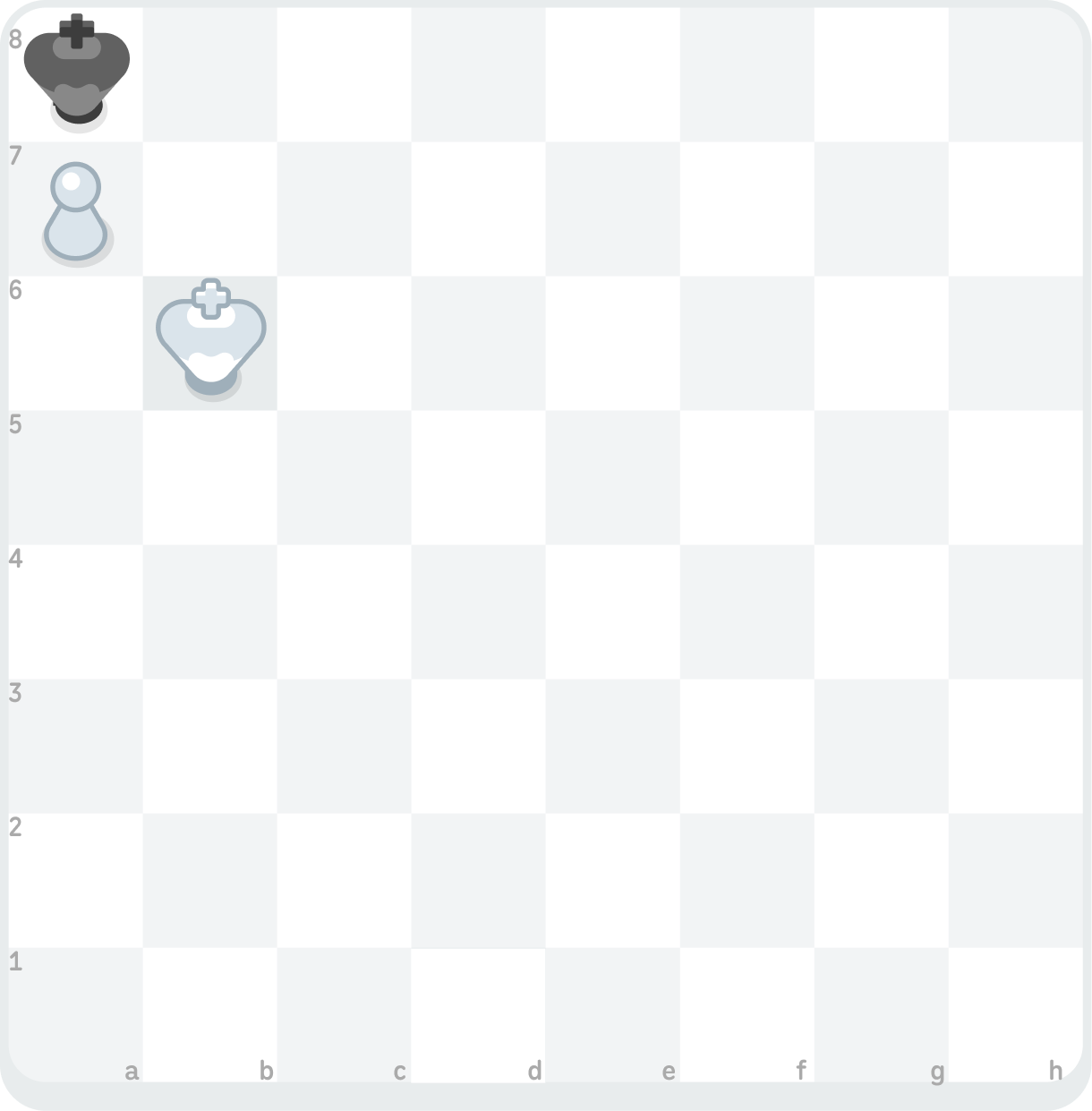
Black has no legal moves left to play but is not in check, so the game ends in stalemate.
5. A king and queen vs. king and “rook pawn” (a pawn on the a-file or h-file) stalemate:
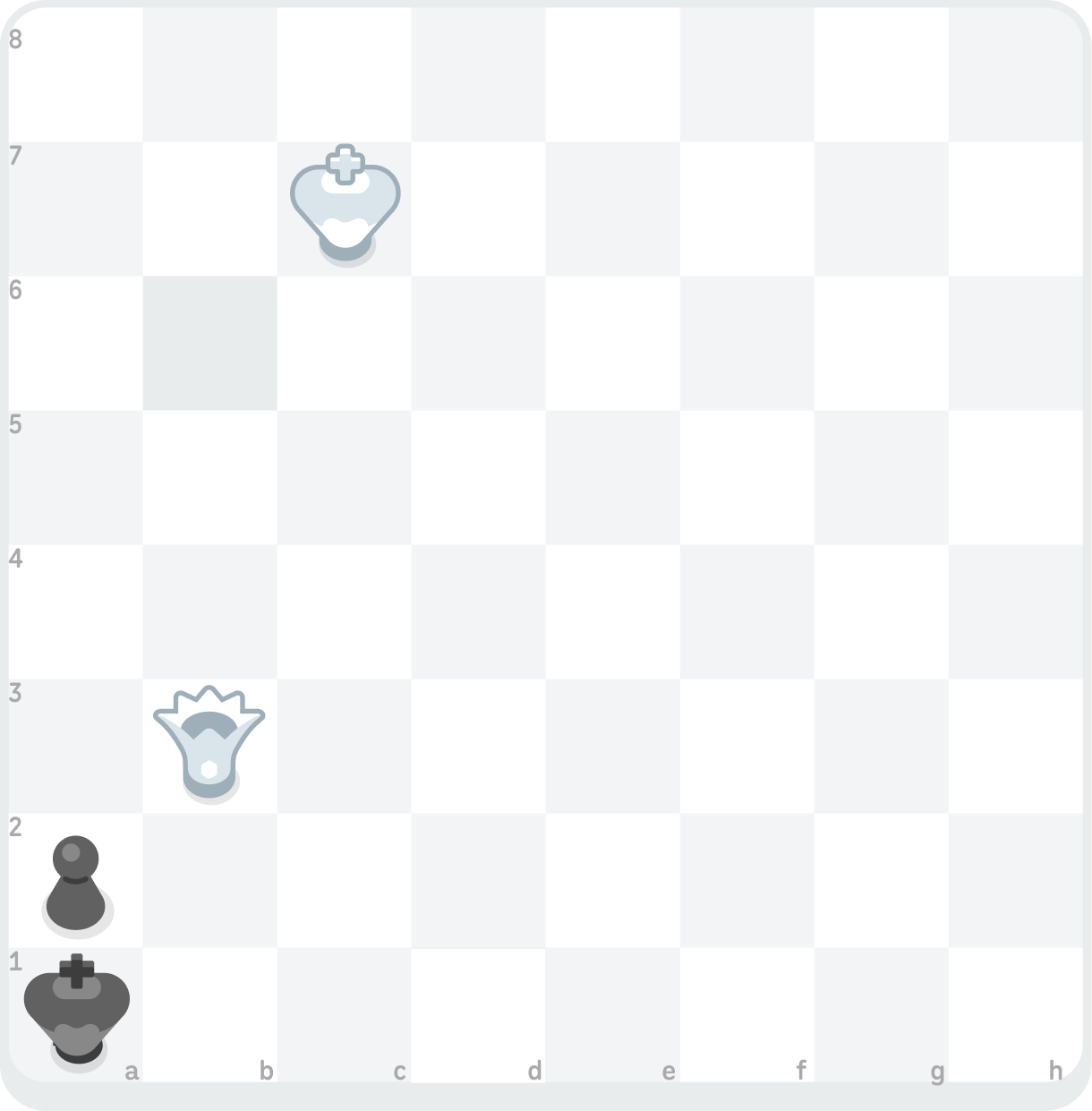
Black has no legal moves left but is not in check, so this is stalemate.
Despite White being an entire queen ahead, this endgame position is a draw even without an accidental stalemate. No matter what White does, there is no time to bring the king in closer to attempt a checkmate or to capture Black’s pawn, since Black is threatening to promote as soon as Black’s king vacates the corner square.
What does stalemate strategy look like?
A stalemate is generally something you want to avoid if you are winning, but in losing positions, stalemate can be a great tactic to aim for.
Stalemate is especially common in queen endgames. Because the queen is such a powerful piece and can control so many squares simultaneously, it’s easy to accidentally control all the remaining squares for the enemy king, leaving your opponent with no moves left to make. So pay particular attention to avoiding stalemate when checkmating with a queen!
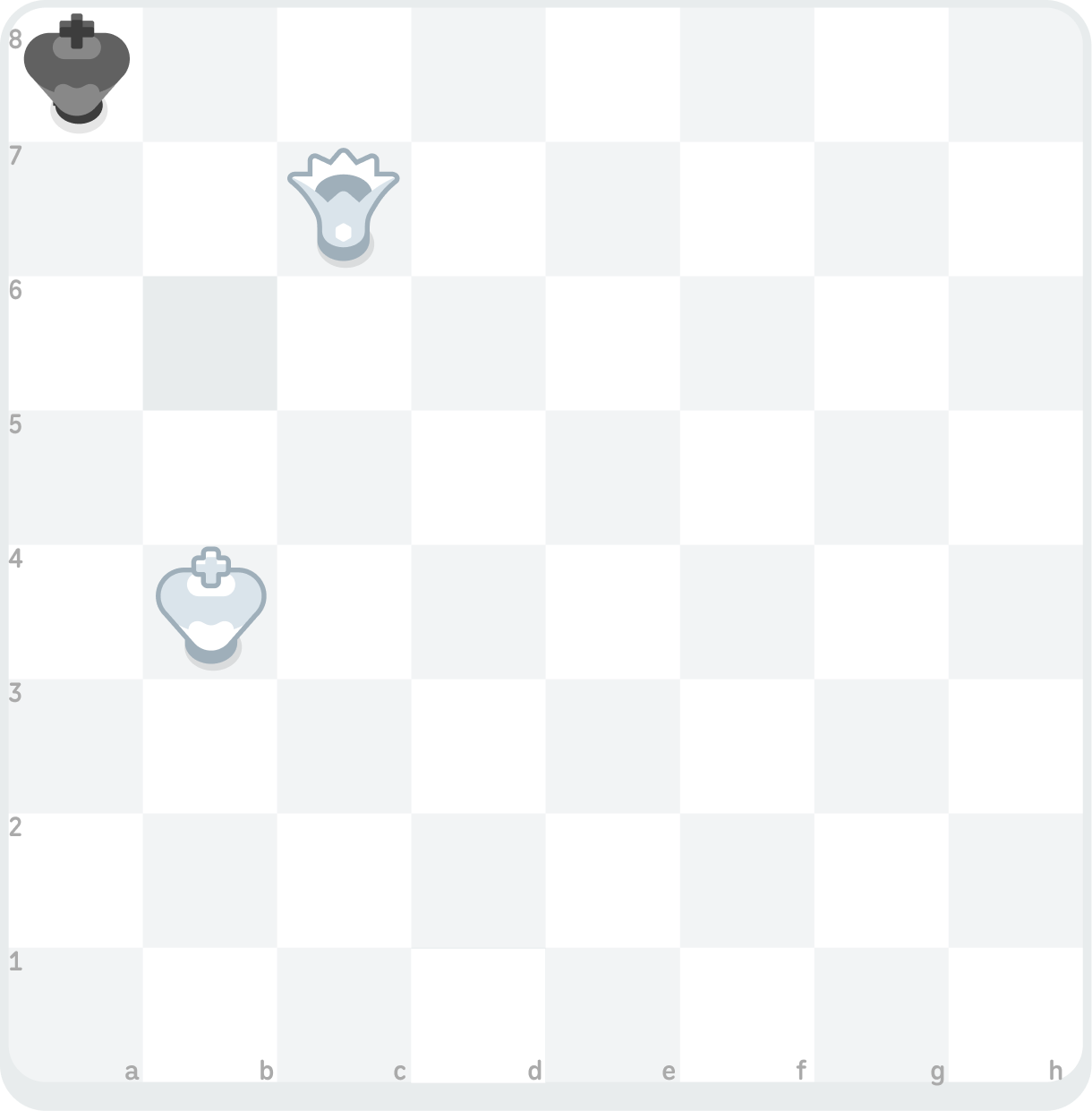
Black’s king has no squares left to move to, but is not currently in check, so the game has ended in stalemate.
How do you avoid accidentally stalemating your opponent?
When considering which move to play, always ask yourself what move your opponent can play next. Make sure that the other side has at least one possible move left before making your final move on the chessboard. In many endgame checkmates, this can look like not fully restricting the enemy king until you are fully ready to deliver checkmate.
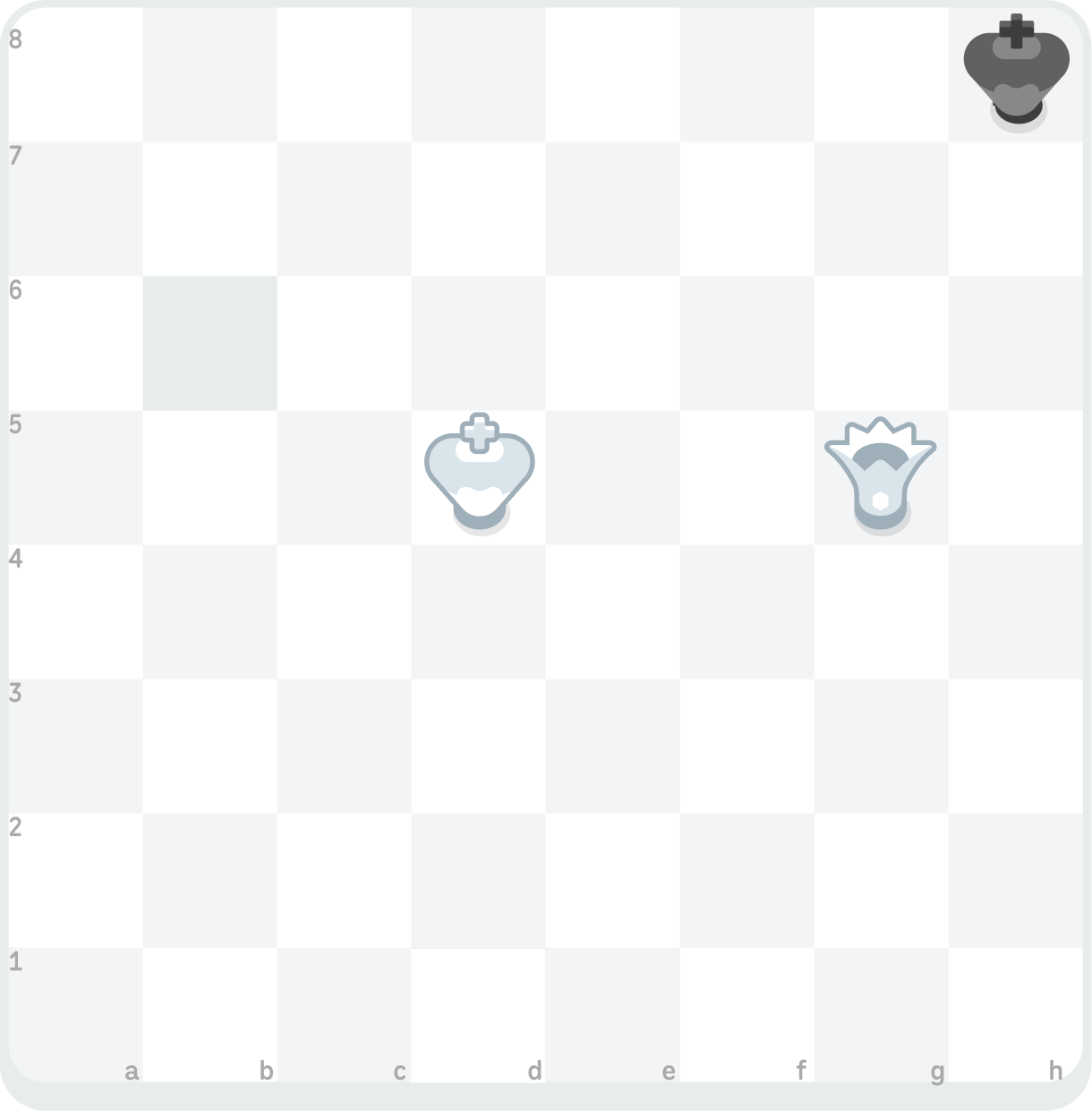
Because Black still has one legal move left to play (moving the king to h7, or Kh7 in chess notation) and can keep moving his king back and forth between h7 and h8, this position is not a stalemate.
How do you intentionally use stalemate as a defensive tactic?
Stalemate gives defending players a chance to salvage a draw out of a totally losing game! While not always possible, look for any opportunities to create a stalemate situation.
If you notice any scenarios where you have almost no moves left (for example, if you have no possible pawn moves left, or greatly restricted king movement), see if there are any ways of pushing your last pawns until they can no longer move, intentionally trapping your own king, or sacrificing a key piece to force a stalemate.
Lodging your king into the corner of the board or behind an enemy pawn seeking promotion can also be an effective strategy of forcing a stalemate, depending on the endgame.
Not so stale
Stalemate is a lesser-known chess rule that is very pertinent in the endgame. While you don’t have to worry about accidentally stalemating your opponent or being stalemated in the earlier stages of the game, stalemate becomes a key factor in many endgames, and greatly affects the overall strategy of both players.