A battery may sound like a foreign concept in chess. After all, chess pieces don’t require charging to use! But despite the name, a battery is an important tactical tool that players should be aware of.
This guide will take you through everything you need to know.
In this post:
- What is a battery?
- Useful terms for batteries
- What are different examples of batteries?
- A battery with a queen and bishop
- A battery with a queen and rook
- A battery with two rooks
- A second battery with a queen and bishop
- A specific type of battery: Alekhine’s gun
- When should you use a battery?
What is a battery?
In chess, a battery is defined as a formation of two or more long-range pieces (queens, rooks, or bishops) of the same color lined up on an open or semi-open rank, file, or diagonal, with no other pieces in between. (It gets its name from the military term battery, meaning an assembly of weapons working together!) This means that the pieces in the battery have combined firepower along that rank, file, or diagonal, making this a strong tactical tool.
Batteries are especially effective when imposed upon an immobile target, such as a pinned pawn or piece, or a vulnerable square.
Useful terms for batteries
Batteries are sometimes also classified as horizontal, vertical, or diagonal. A horizontal battery refers to a battery along a rank (a horizontal row on the chessboard), a vertical battery describes a battery along a file (a vertical row on the chessboard), and a diagonal battery references a battery along a diagonal.
You may also come across the terms double battery and triple battery. A double battery means that there are exactly two pieces in the battery, while a triple battery indicates a formation of three pieces.
What are different examples of batteries?
Here are several examples of different batteries that are common to see:
A battery with a queen and bishop
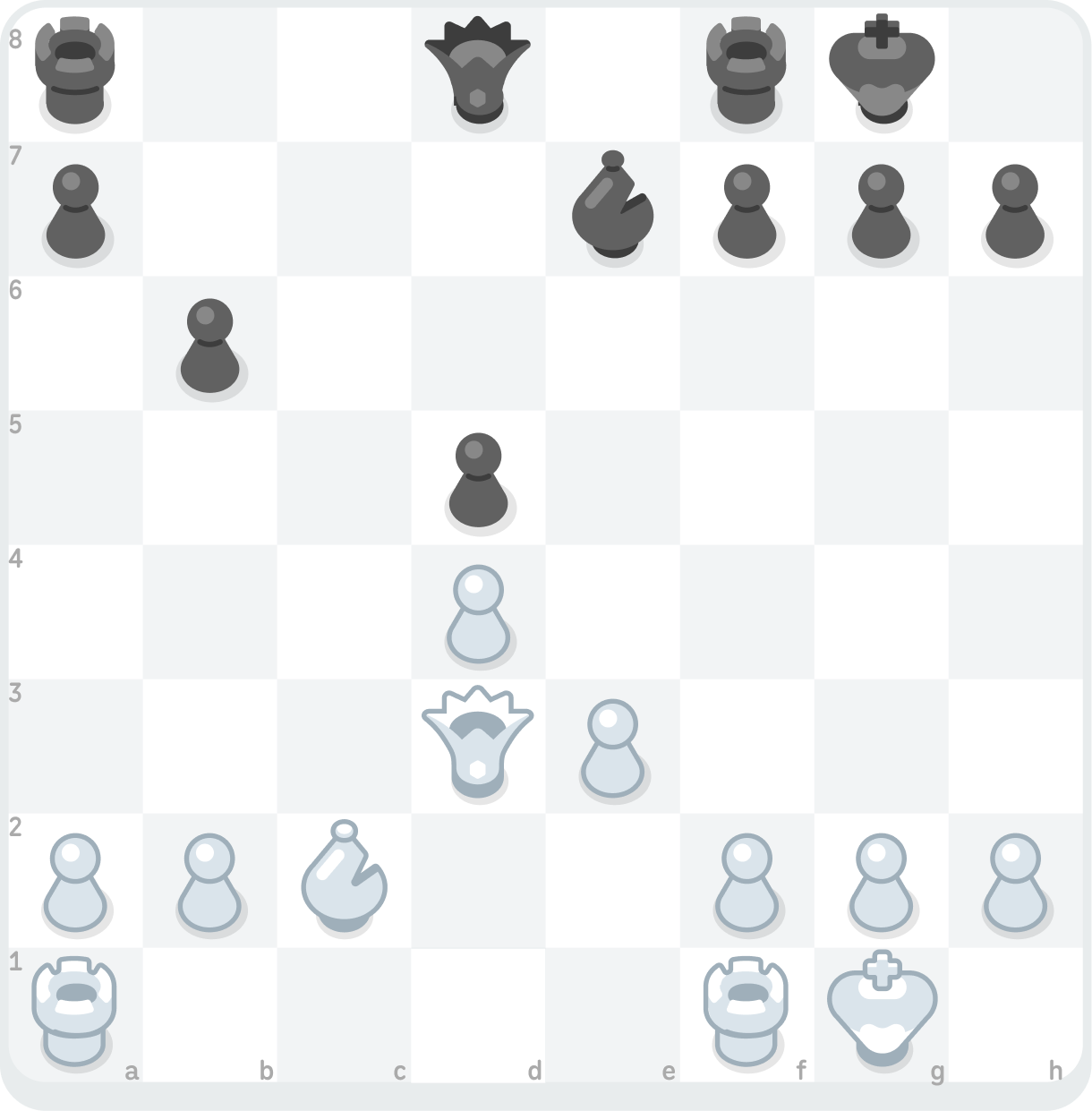
White’s queen and bishop are both lined up on the b1 to h7 diagonal. Together, these two pieces form a diagonal battery that attacks Black’s h7 pawn, which would also be checkmate.
A battery with a queen and rook
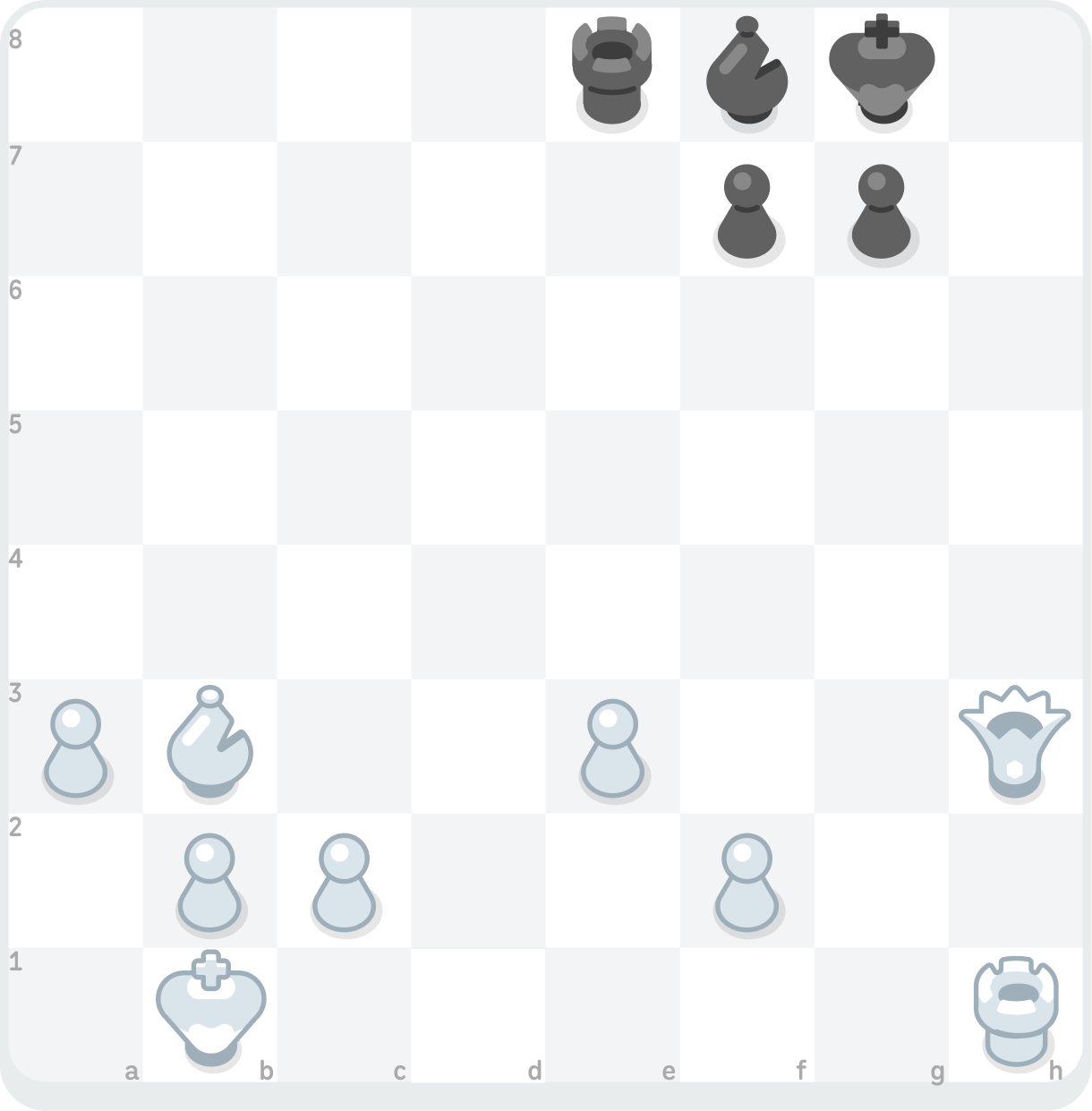
White’s queen and rook are lined up on the open h-file, placing two attackers in a double battery that threatens to checkmate Black on h7 or h8.
A battery with two rooks
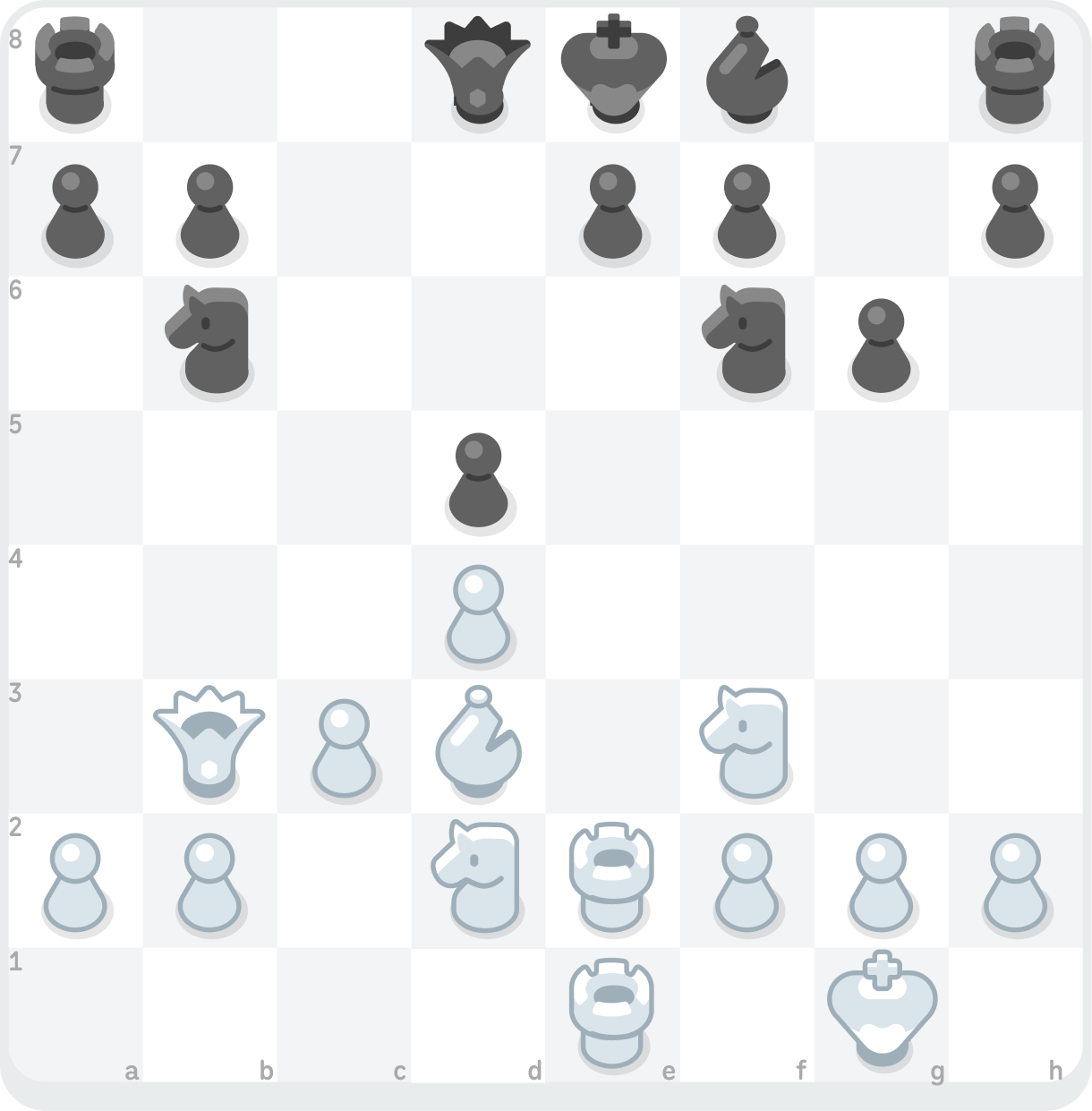
White’s two rooks are both aligned on the e-file, forming a vertical battery that pressures Black’s e7 pawn and prevents Black’s dark-squared bishop from developing.
A second battery with a queen and bishop
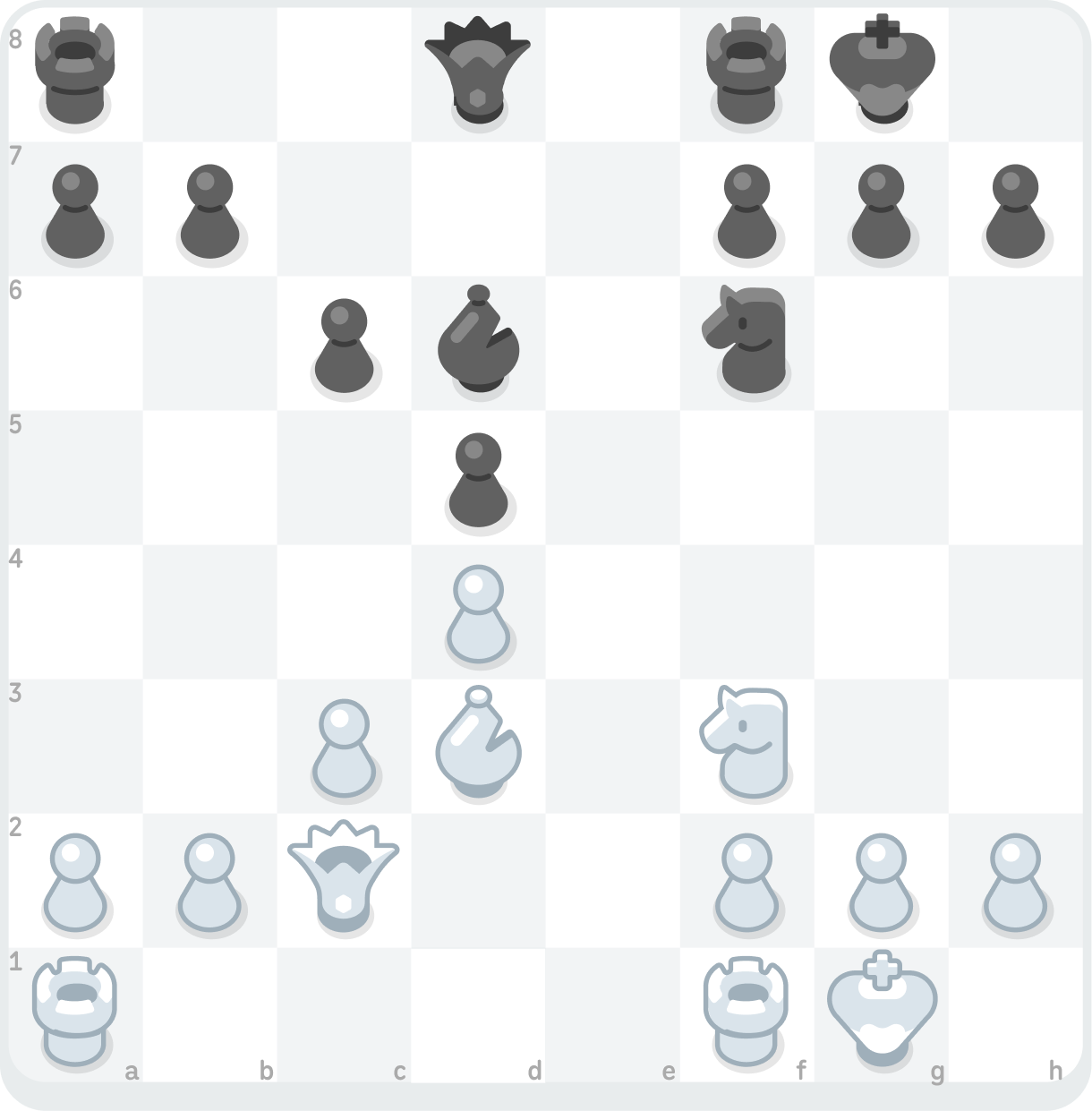
White’s bishop and queen are both lined up on the b1 to h7 diagonal, together forming a diagonal battery that pressures Black’s h7 pawn, preventing Black’s knight on f6 from moving away.
A specific type of battery: Alekhine’s gun
This is a specific type of battery that involves two rooks and one queen, all lined up on a single file, with the two rooks in front, and the queen leading from the rear. Named after this same distinctive formation occurring in a game played by Alexander Alekhine, a former world champion, this battery can be extremely powerful.
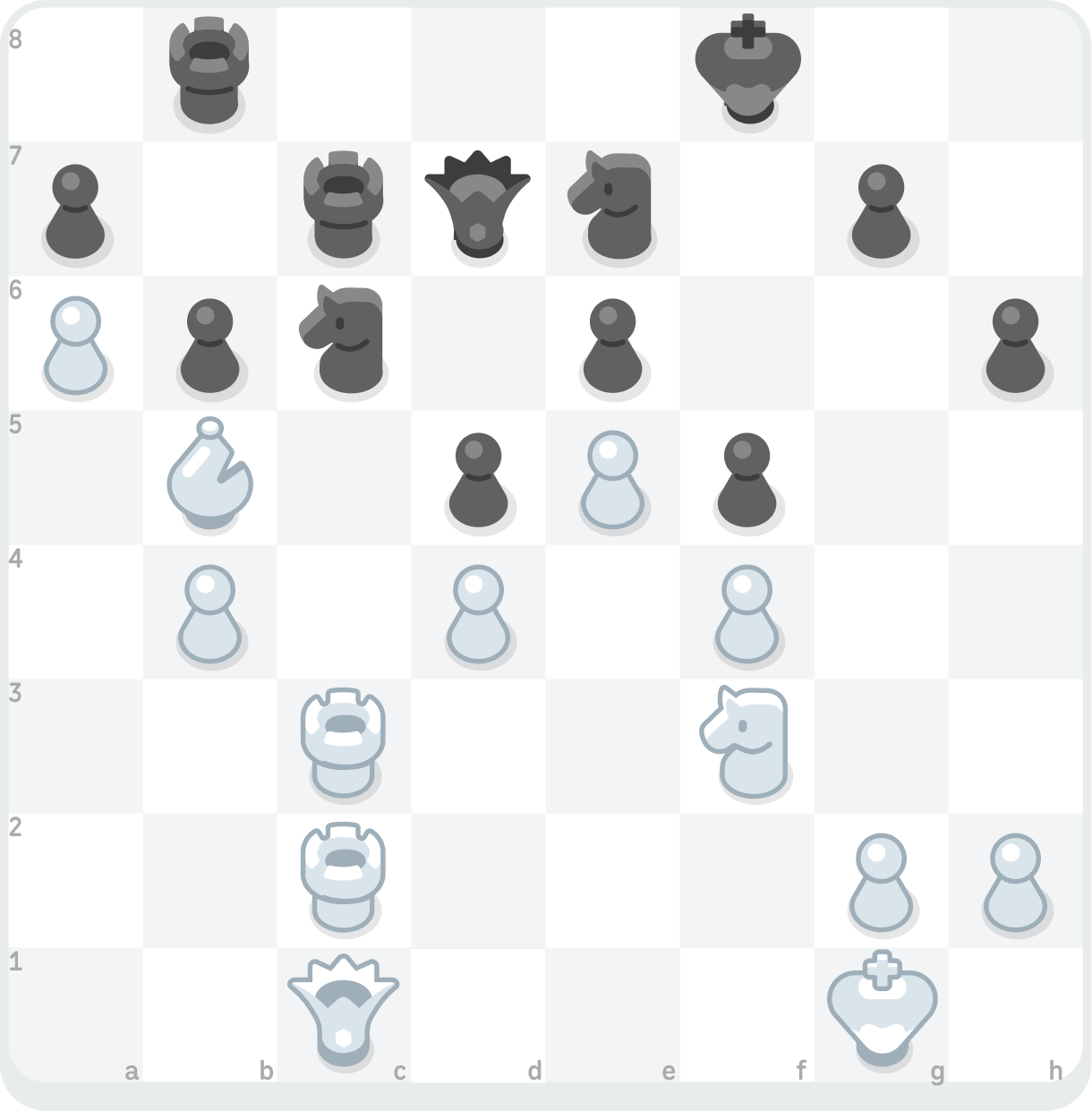
By moving the white queen to c1, Alekhine formed a deadly triple battery along the c-file that added pressure to Black’s already pinned knight on c6. This immobilized his opponent’s pieces, soon winning him the game.
This combination of three powerful attackers can exert tremendous pressure, virtually ensuring complete domination of this file.
When should you use a battery?
Batteries are powerful configurations that compound attacking forces. If you’re planning to attack the enemy king, consider forming batteries with your pieces, particularly those with your queen. If you spot a vulnerable target, such as a pinned or immovable pawn or piece, a weak pawn, or even just a weak square, explore ways to arrange your pieces in a battery, creating a threat that is harder to parry than just one individual attacker alone.
By attacking, you call the shots and control the game, leaving your opponent with no time to formulate their own threats.
Power up 🔋
Batteries are important piece formations to recognize and implement in your own games. From targeting weak squares, pawns, or pieces, to delivering checkmates, batteries can help you amass your forces and turn the game in your own favor.