
Pawns may look small and simple, but they shape the entire game. From controlling space to becoming queens, these humble pieces often decide who wins and who loses. As the famous 18th century French chess player François-André Danican Philidor once said: “Pawns are the soul of chess.”
In this post:
- Chess 101: the pawn
- How the pawn moves
- Pawn promotion
- Gambits
- Pawn structures
- Do’s and don’ts with the pawn
- Strategy tips for the pawn
Chess 101: the pawn
Pawns are both the most numerous pieces in chess and the simplest in appearance. There are eight per side, lined up on the second and seventh rows (or ranks, as they are traditionally called) in front of the other pieces. They are small, with a rounded top that almost looks like a helmet.
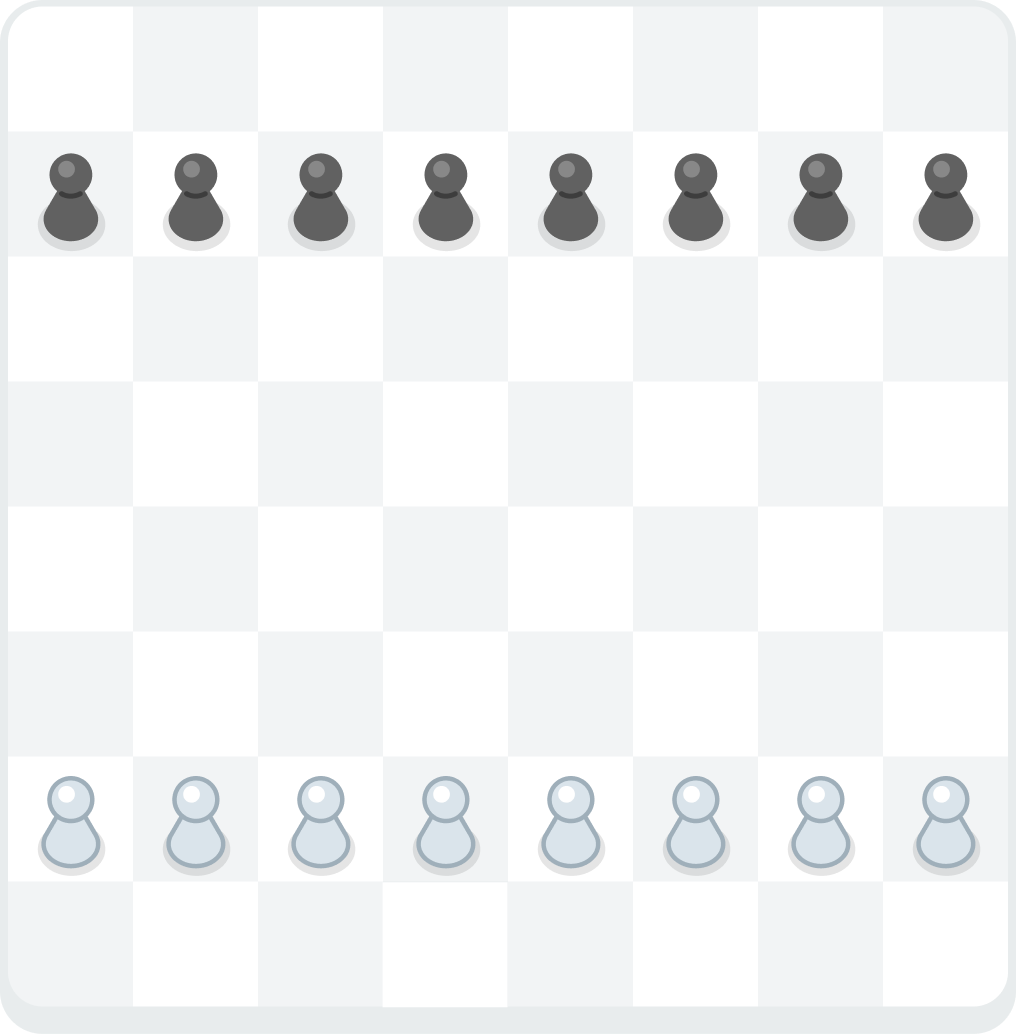
Historically, pawns have represented foot soldiers—the frontline of the army. And like real soldiers, they usually take the first steps into battle, moving first in most chess games.
Pawns are usually valued at 1 point, making them the least valuable piece. Because of this, they are the most commonly sacrificed, and make excellent defenders.
But don’t underestimate them! A pawn’s usefulness depends heavily on its position. For instance, a pawn almost all the way down the board can become incredibly valuable because of its ability to promote into a different piece. Talk about an upgrade!
How the pawn moves
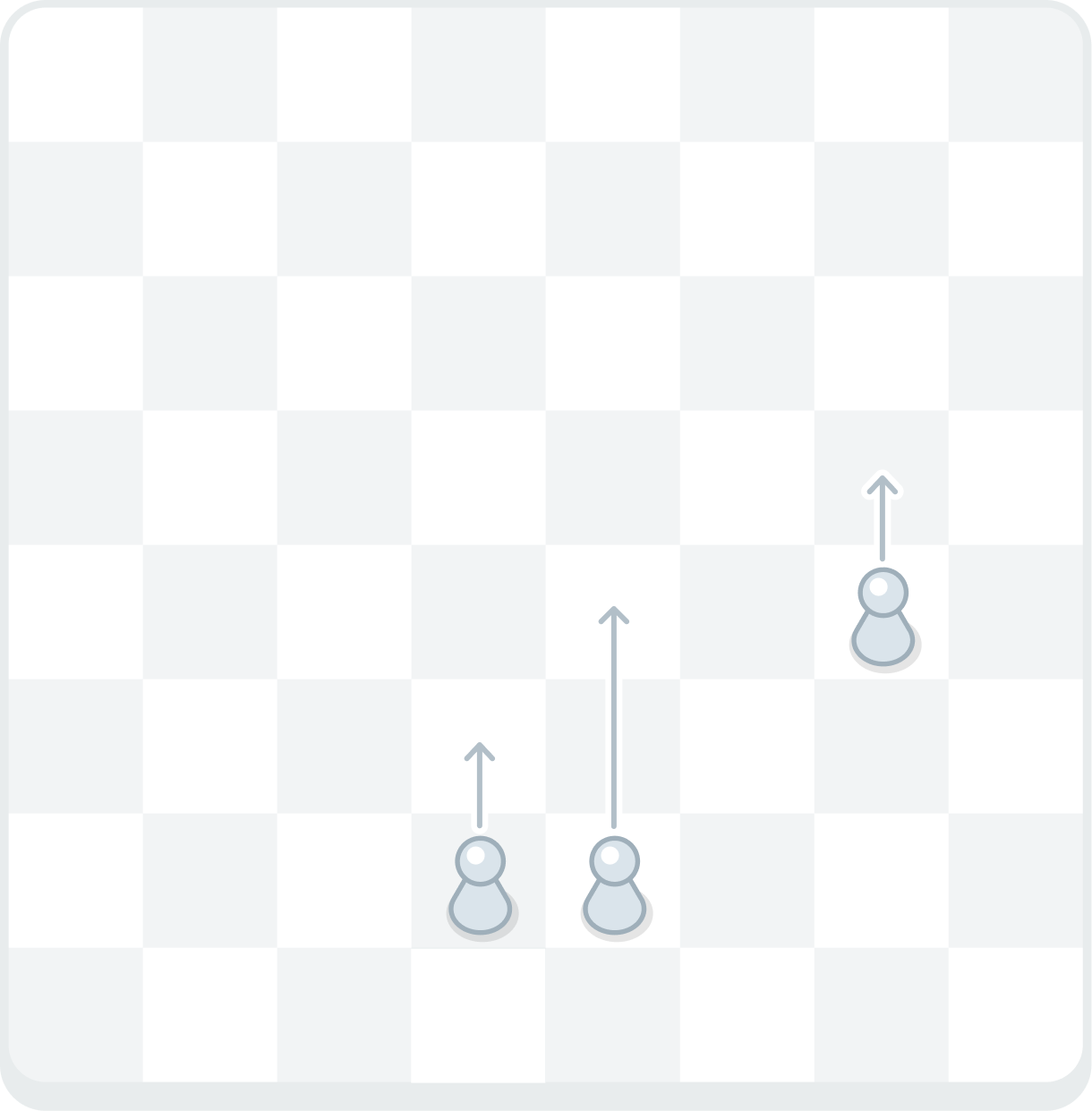
Pawns have some unique movement rules in chess: They move forward only, never backward. On their first move, they can advance either one or two squares. After their first move, however, they can only move one square at a time.
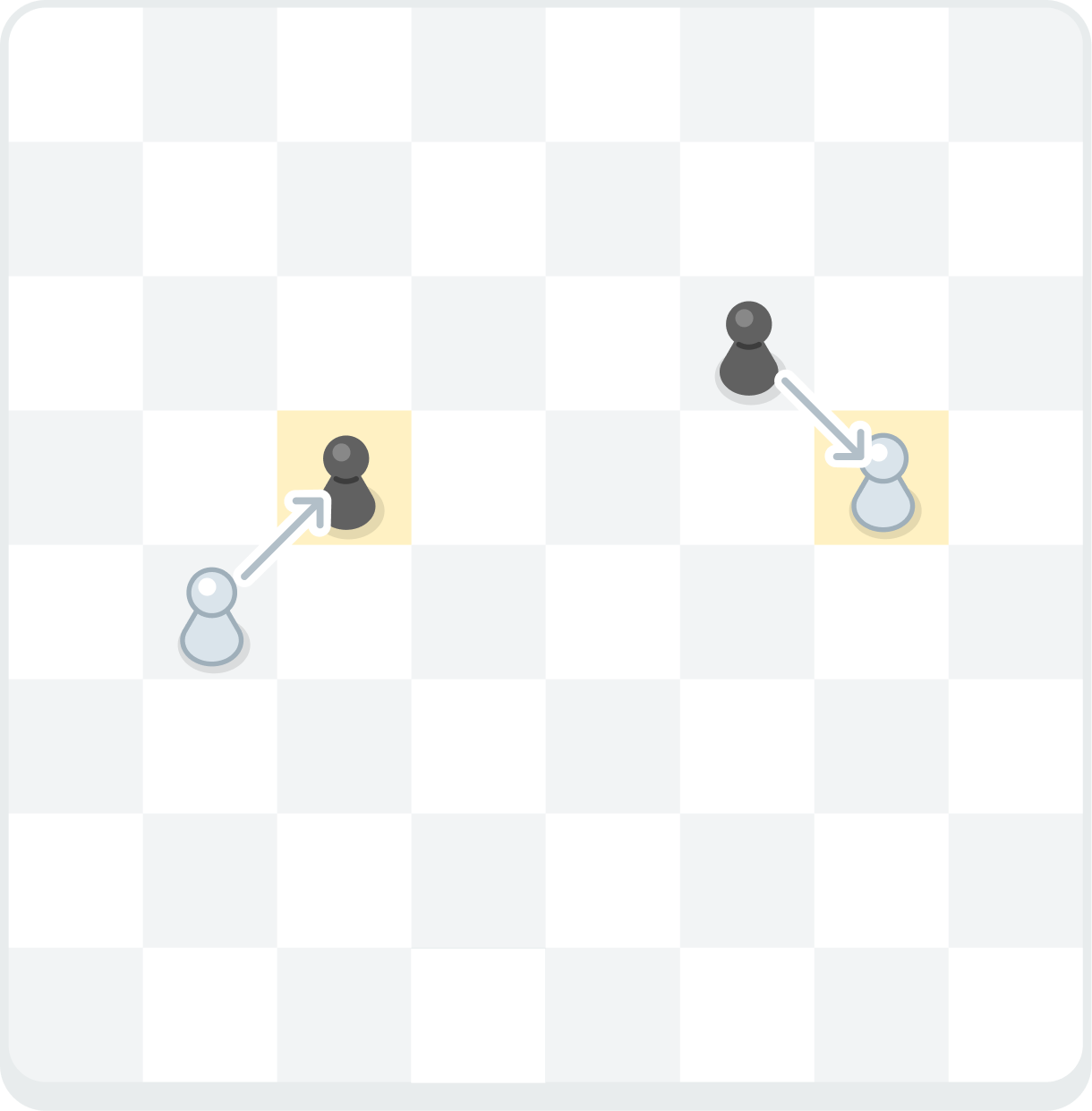
Unlike the rest of the chess pieces, pawns capture differently than they move. While they move one square forwards at a time, they capture one square diagonally forwards in either direction.
If another piece is directly in front of a pawn, the pawn is blocked and cannot move forward. It can only continue if the path clears or if it can capture diagonally.
Pawns also have special rules that don’t apply to any of the other pieces:
- En passant: A special capture that can occur when an opposing pawn moves two squares forward and lands beside your pawn.
- Promotion: When a pawn reaches the opposite end of the board, it transforms into another piece.
Pawn promotion
When a pawn reaches the opposite side of the board, it promotes into a queen, rook, bishop, or knight. It cannot remain a pawn or become a king.
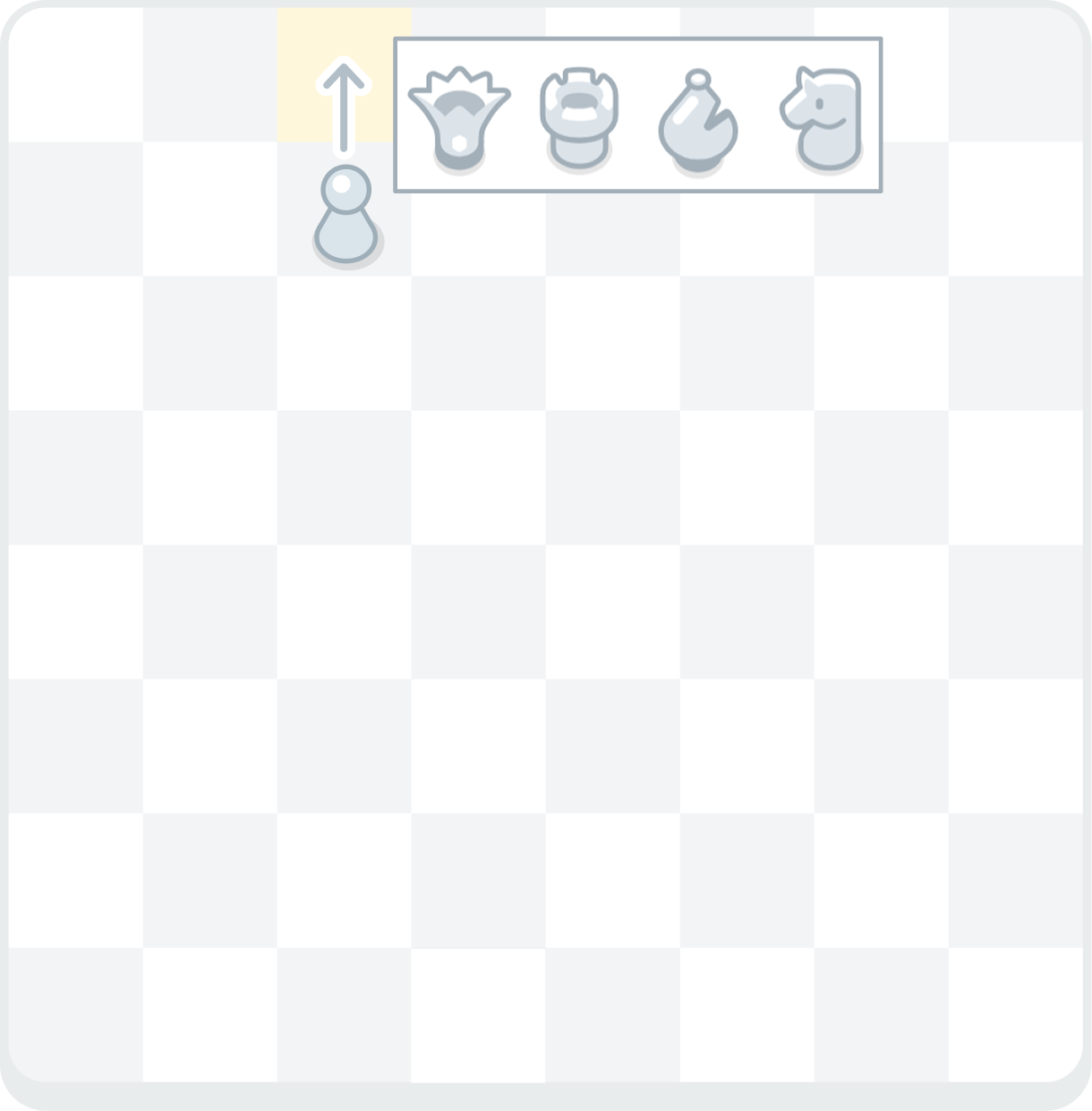
In most cases, players choose to promote to a queen, since it’s the most powerful piece. This means it’s completely legal and in fact common to have multiple queens of the same color on the board at once.
Promoting to a piece other than the queen is called underpromotion. While rare, it can be the best move in specific situations, like delivering checkmate immediately or avoiding a stalemate.
Gambits
Pawns are commonly sacrificed in the opening through gambits.
A gambit is when a player sacrifices material (usually a pawn) early in the game to gain another advantage.
That advantage might include:
- Faster development
- Control of the center
- Open lines for attack
- Pressure on the enemy king
Gambits often lead to dynamic, tactical games with early attacks. Some well-known examples include the King’s Gambit, the Queen’s Gambit, the Benko Gambit, the Evans Gambit, and many more.
While gambits can be risky, they’re also exciting and can catch opponents off guard.
Pawn structures
Understanding pawn structure—how pawns are arranged on the board—helps you plan long-term strategy, not just individual moves.
Here are some common types:
Pawn chains
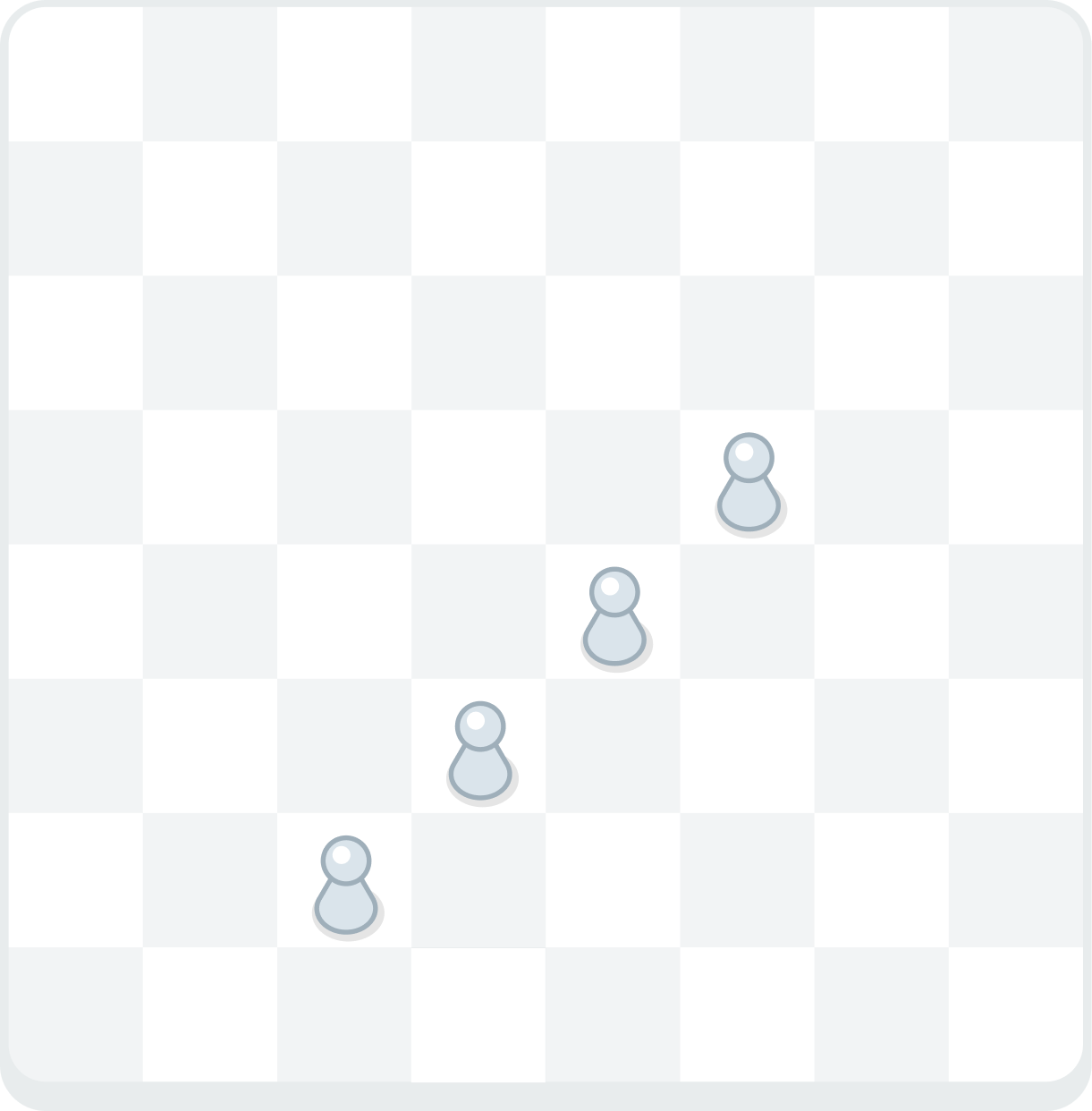
| What is it? | Connected pawns supporting each other diagonally |
|---|---|
| Pro | Strong structure and space control |
| Con | Can be attacked at the base |
Isolated pawns
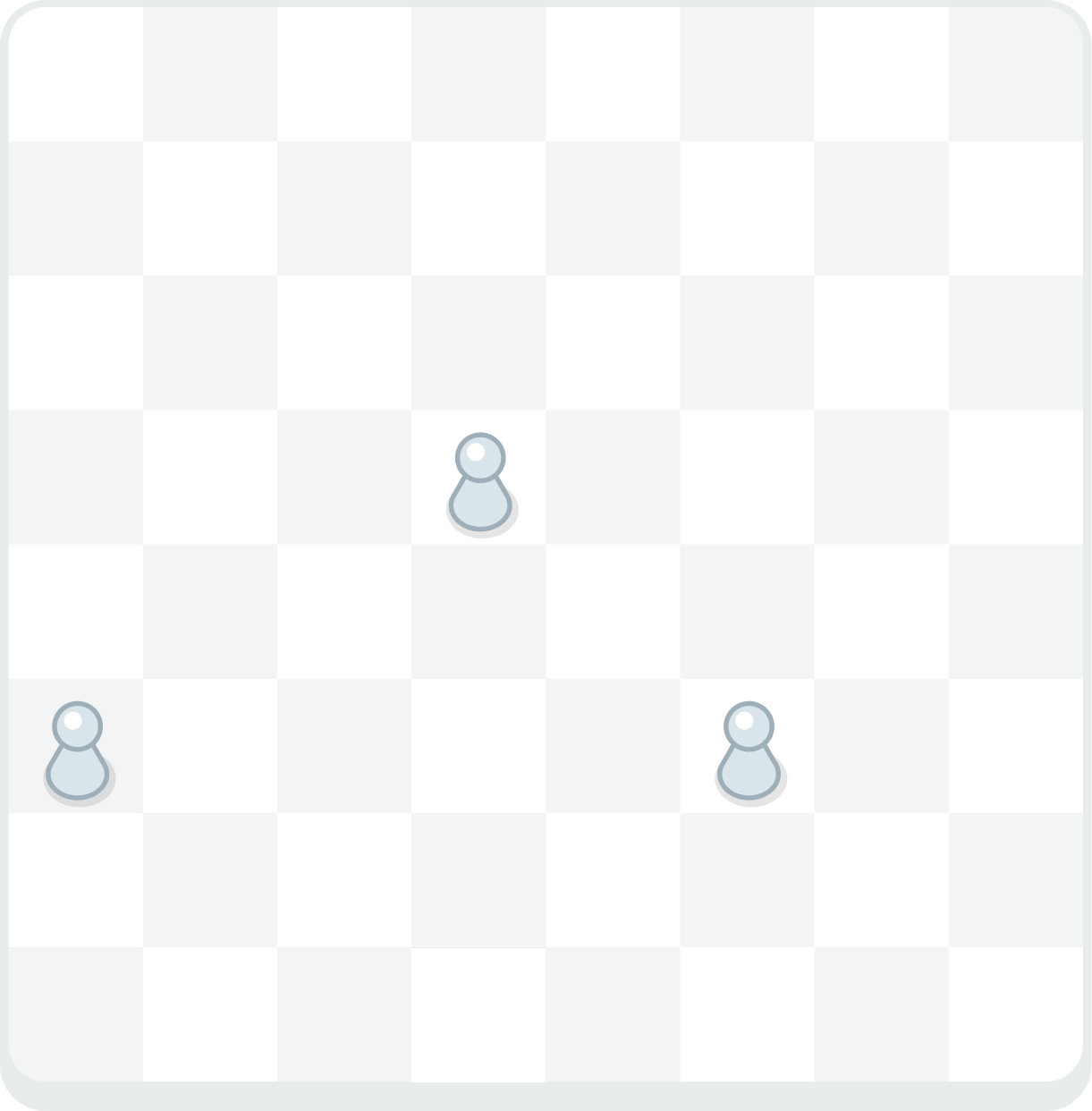
| What is it? | Pawns with no friendly pawns on adjacent files |
|---|---|
| Pro | Open lines and active piece play |
| Con | Hard to defend |
Doubled pawns
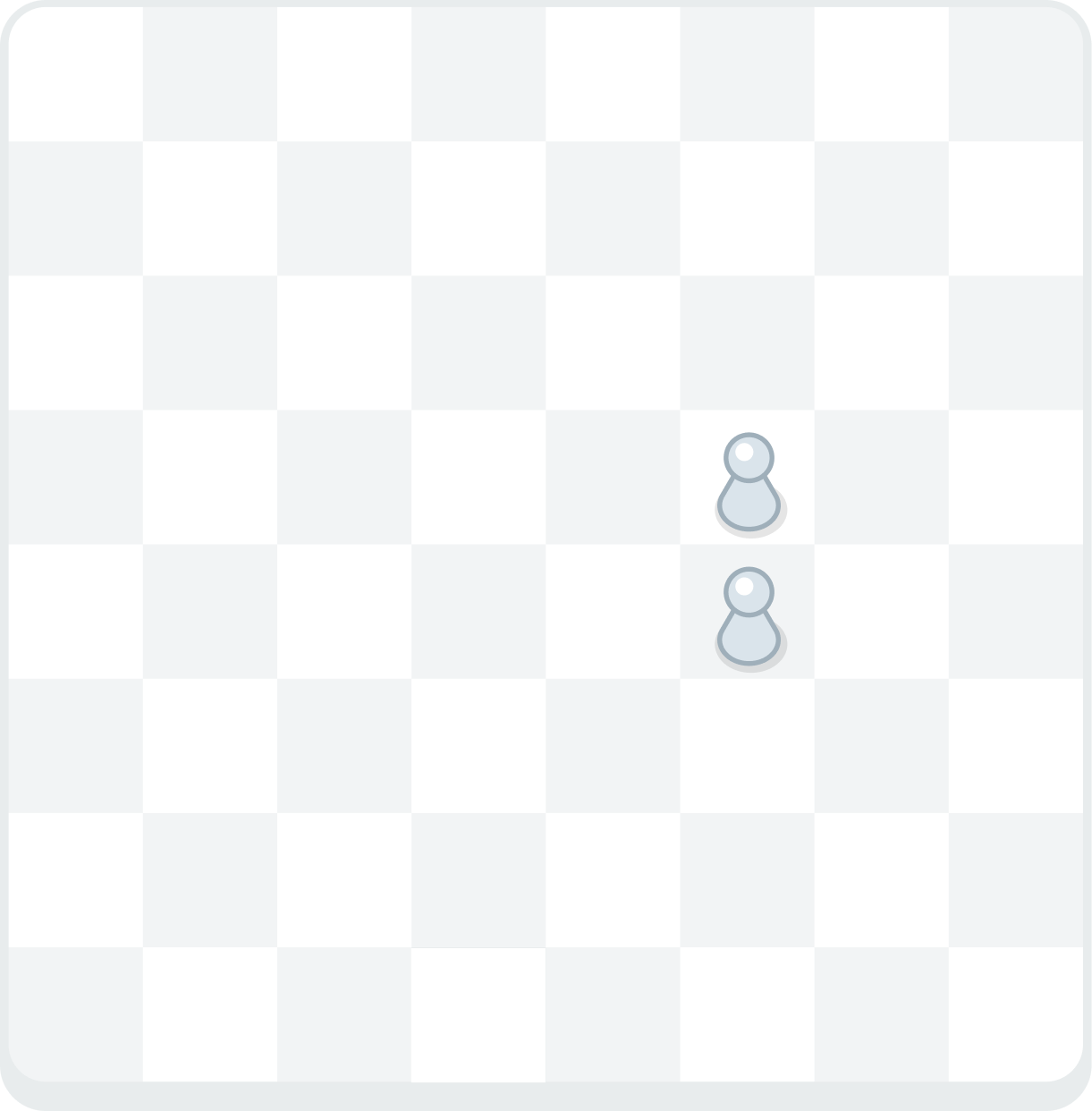
| What is it? | Two pawns stacked on the same file |
|---|---|
| Pro | Can control key squares |
| Con | Weak and immobile |
Backward pawns
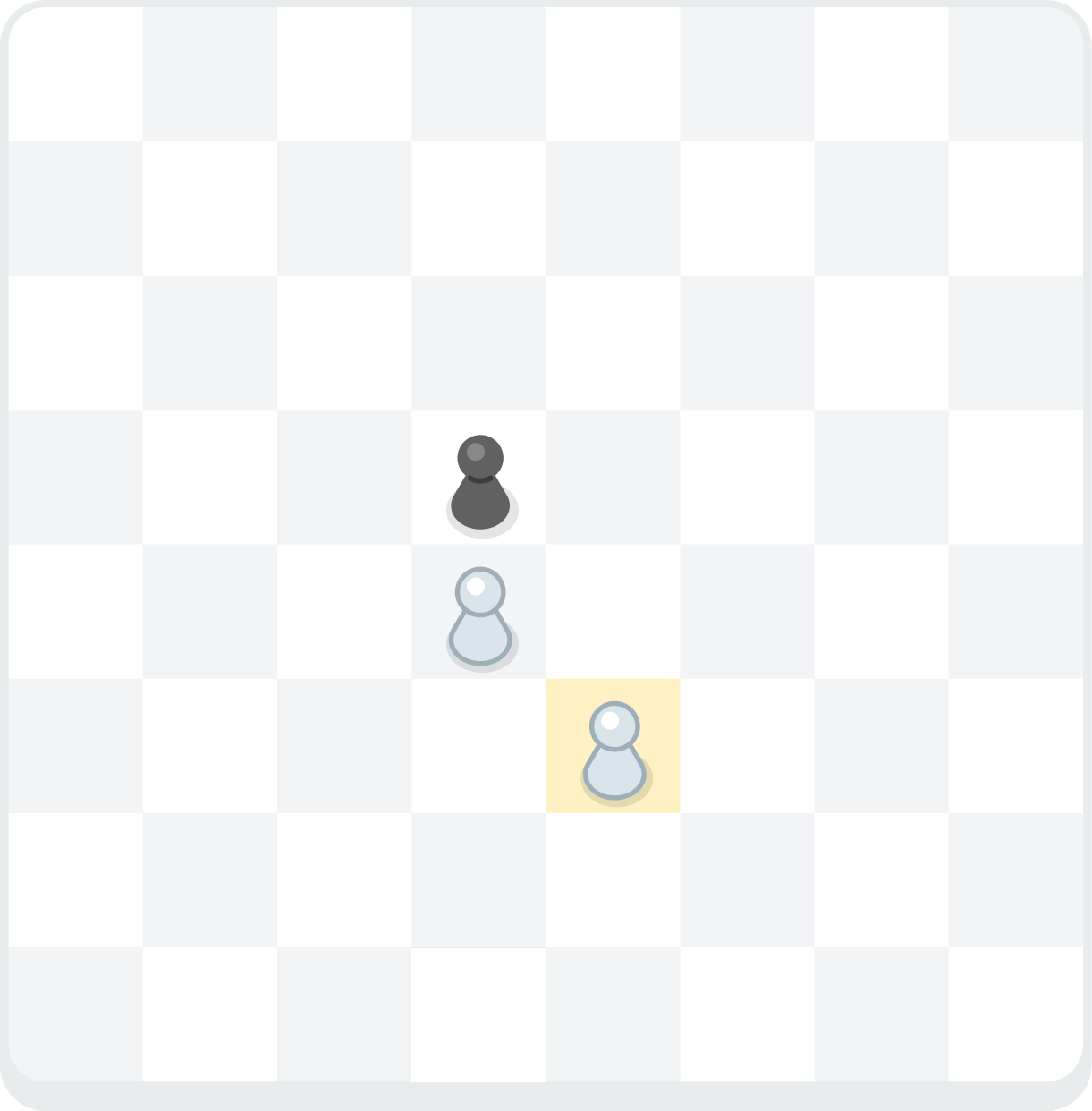
| What is it? | Pawns that lack other pawn defense and can’t advance safely |
|---|---|
| Pro | Usually defend other pawns and can control key squares |
| Con | Targets for attack |
Hanging pawns
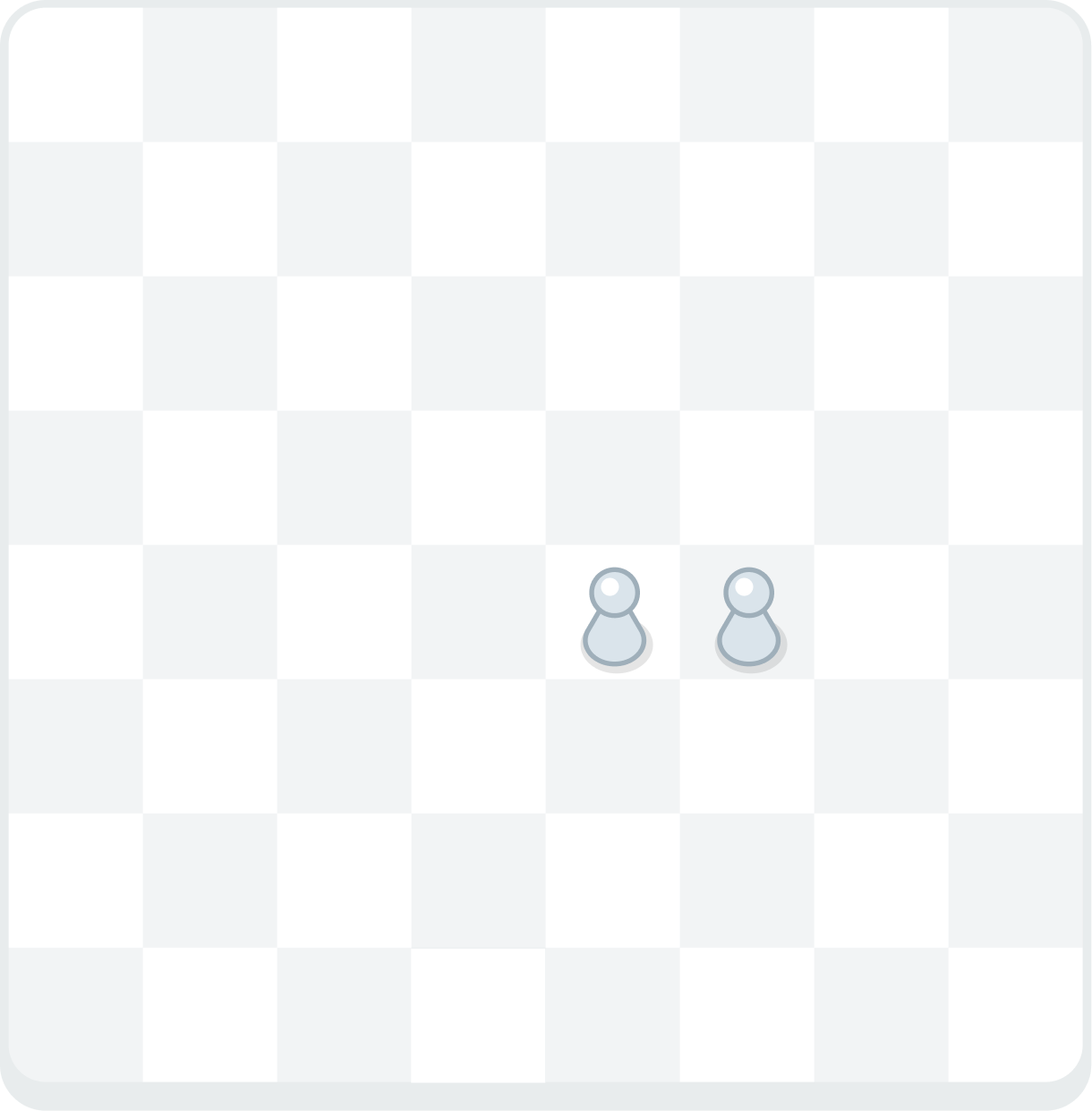
| What is it? | Two adjacent pawns with no support from behind |
|---|---|
| Pro | Often control central space |
| Con | Can become weak if overextended |
Do’s and don’ts with the pawn
Pawns are powerful—but only when used wisely.
Do’s:
💡 Do move pawns early in the opening.
Most games begin with one or two central pawn moves.
💡 Do prioritize moving center pawns.
Central pawns help control the board and open lines for your pieces.
💡 Do push pawns in the endgame.
Endgames often revolve around promotion. Advancing pawns becomes a top priority.
Don’ts:
🚫 Don’t move edge pawns without a reason.
Side pawns usually don’t contribute much early on, waste valuable time, and can create weaknesses on that side if castled.
🚫 Don’t move too many pawns.
Moving too many pawns wastes time and creates weaknesses. Instead, focus on developing your pieces.
🚫 Don't move pawns on the side you plan to castle on or in front of your castled king.
Avoid moving pawns in front of your king early on. This breaks your pawn shield, which weakens your king’s safety.
Strategy tips
Strong pawn play can define the outcome of a game. After all, with clever play, a single pawn can become a queen in the end.
Connect your pawns.
Pawn chains support each other and are harder to break.
Attack pawn chains at the base.
The least advanced pawn is usually the weakest point.
Create passed pawns, or even better, connected passed pawns.
A passed pawn has no opposing pawns blocking its path. These are extremely powerful—and often game-winning. Two or more passed pawns working together can be unstoppable.
Understand pawn majorities.
A pawn majority means having more pawns on one side of the board (either the left or the right) than your opponent does. Playing on this side of the board can help you create a passed pawn in the endgame.
Use minority attacks.
Playing on the side of the board where you’re outnumbered in pawns (the opposite of a pawn majority!) can sometimes allow you to create weaknesses that you can later target. Even with fewer pawns, you can still undermine your opponent’s pawn structure and create backward or isolated pawns that will become liabilities for your opponent the rest of the game.
More than just a pawn in the game
Pawns may be the smallest pieces on the board, but they carry enormous strategic weight. Learn to use them well, and you’ll unlock a whole new level of chess understanding and winning potential. ♟️