
En passant is an unusual pawn move in chess that involves capturing an enemy pawn without landing on that piece’s square. Intrigued? Read on to learn more!
In this post:
What is en passant?
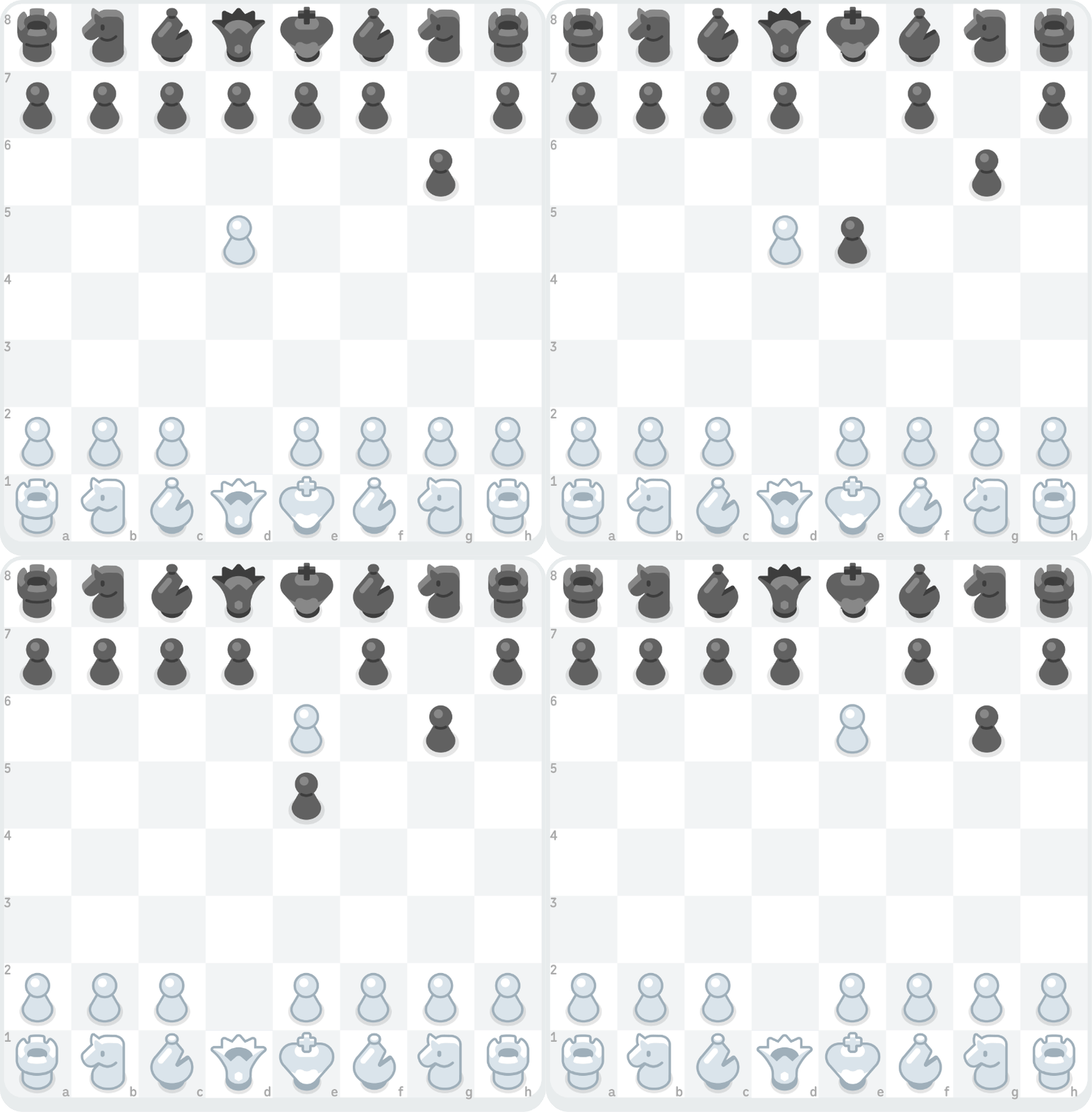
The term en passant comes from French, and literally means in passing. It describes a move in which a pawn is allowed to diagonally capture an enemy pawn that has just advanced two squares forward on its first move, as if the enemy pawn had only moved one square forward.
Here’s an example.
When is en passant allowed?
- If an enemy pawn has just advanced two squares forward on its first move, and you have your own pawn on an adjoining square in the same horizontal rank.
- Because it can only happen after an enemy pawn has advanced two squares, this means that if you’re playing White, both your pawn and the enemy pawn you want to capture en passant must be on the 5th rank, and if you are playing Black, both pawns must be on the 4th rank.
- You must capture the enemy pawn on your next move, immediately after they have moved into position.
When is en passant not allowed?
- If an enemy pawn has only moved one square forward on its first move. (Here, you may capture normally if permitted, but not via en passant.)
- On any subsequent turns that are NOT immediately after the enemy pawn has just moved. For en passant, it’s now or never: Capture immediately, or forever hold your peace!
- If a pawn has moved two squares forward on its first move and you have an adjacent pawn BUT you waited a turn and made a different move first.
However, it’s important to note that you shouldn’t instinctively capture en passant when possible to do so. First, evaluate the capture, and only capture en passant when it’s beneficial for you!
What is the history of en passant?
While en passant had been posited as a rule for centuries, it was not accepted as an official rule until 1880.
En passant is often thought to have arisen as a response to the rule allowing pawns to move two squares forward on their first move, which was also a relatively recent innovation in chess. Without en passant, pawns could evade capture simply by moving two squares forward on their first move instead of one, creating the potential for many more passed pawns.
Another theory is that en passant began as a way to speed up the game by allowing an additional opportunity to capture an enemy’s pawns.
What are examples of capturing en passant?
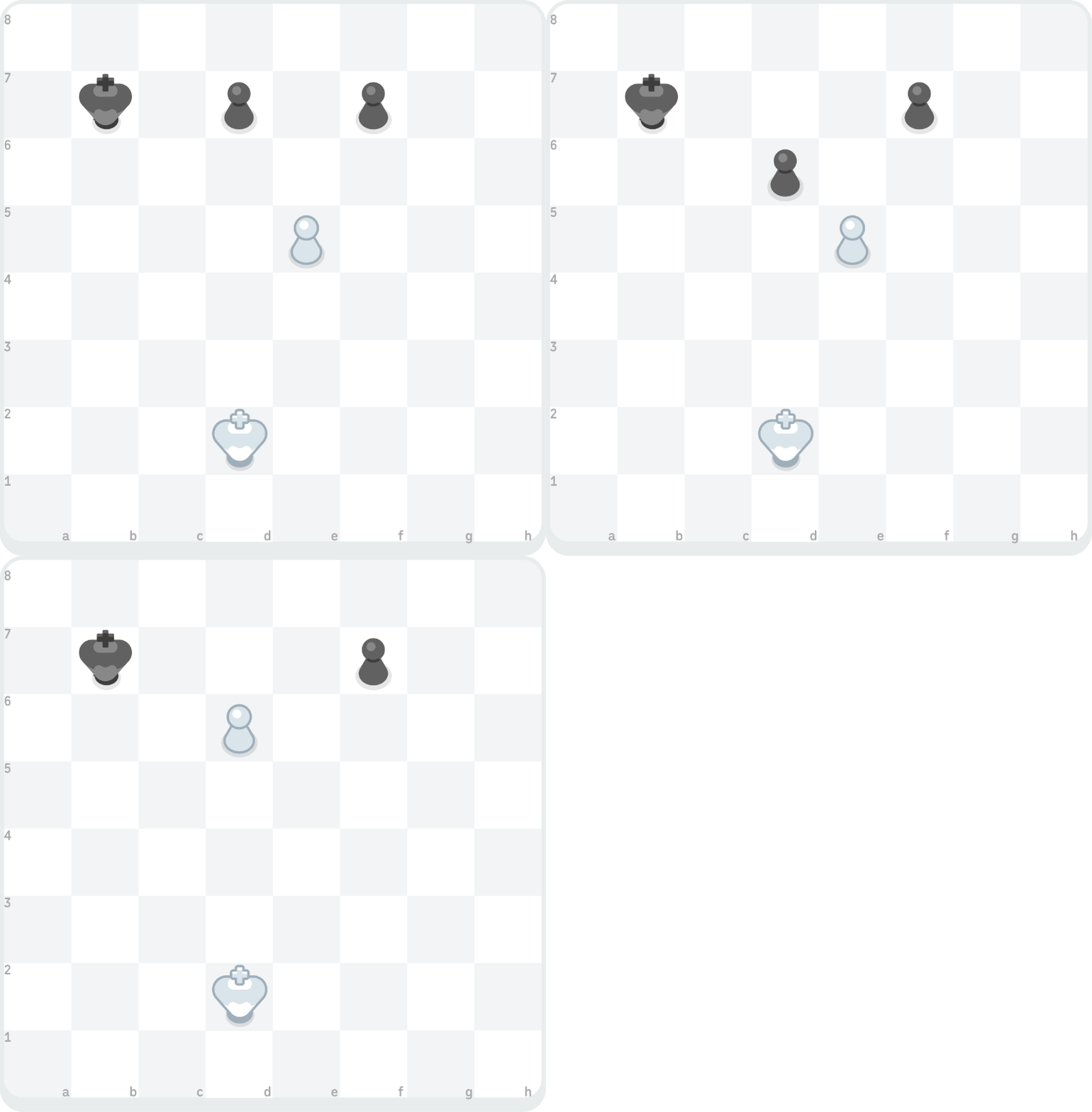
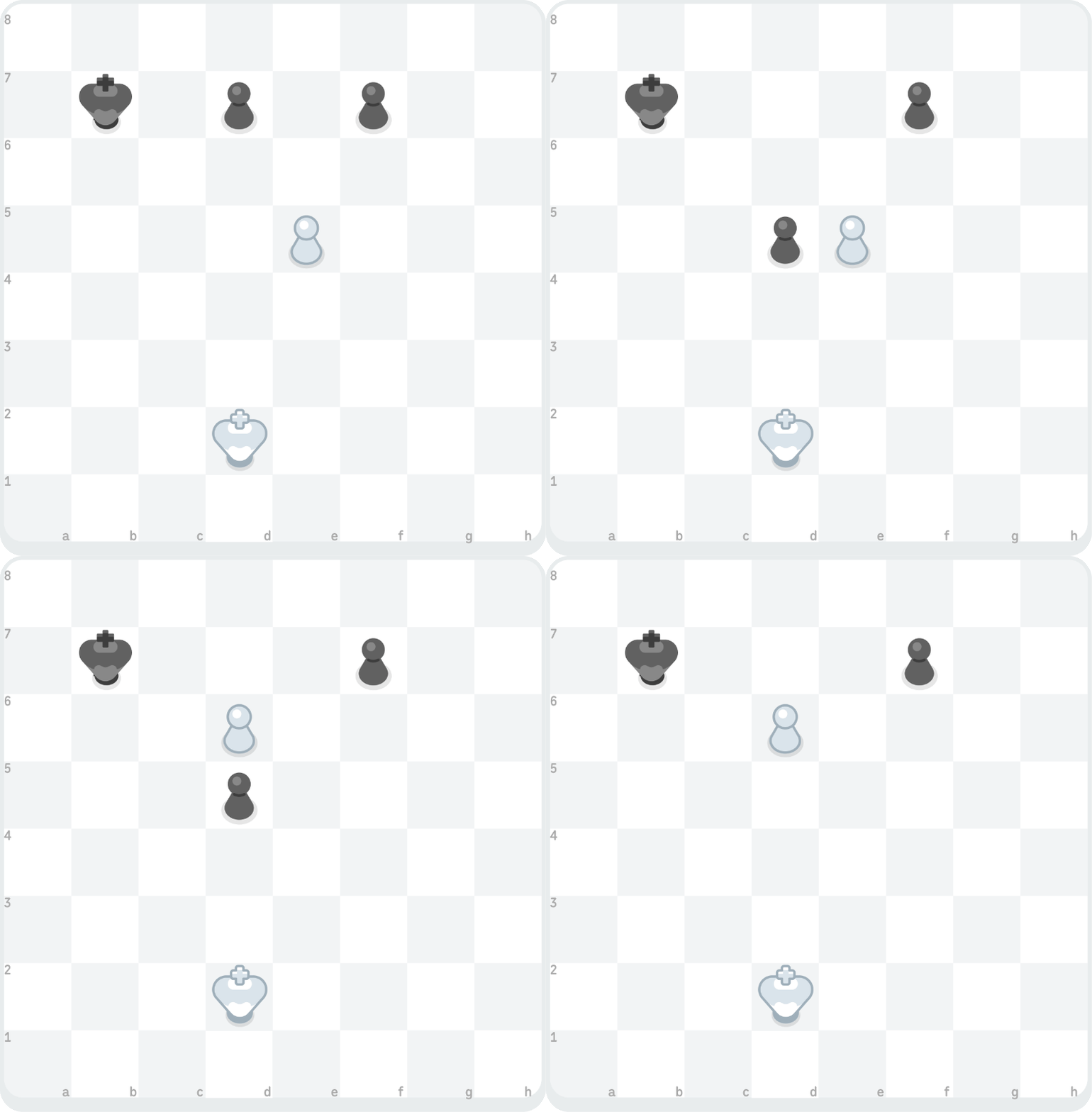
Here’s how en passant looks different from regular pawn captures:
|
|
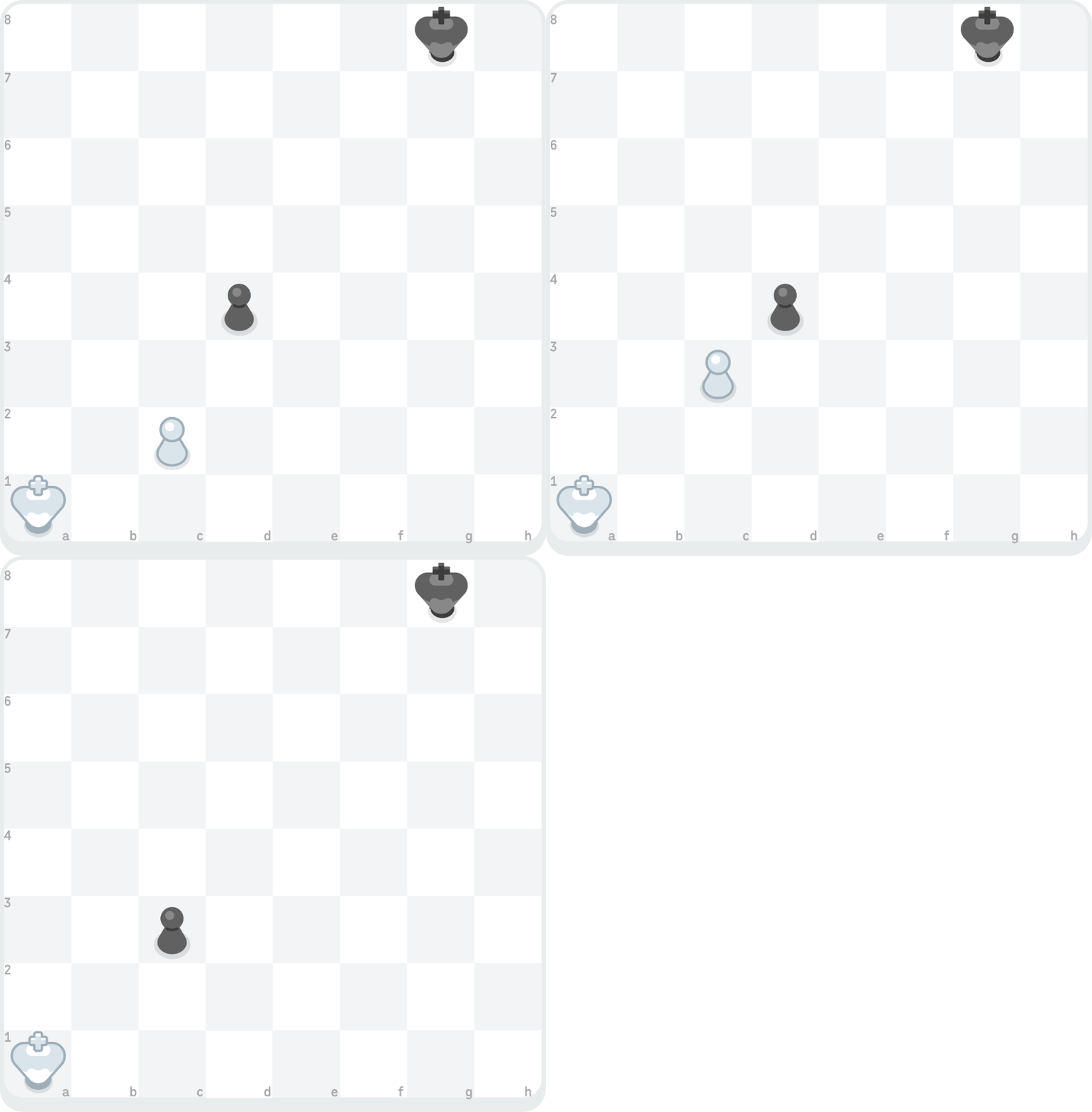
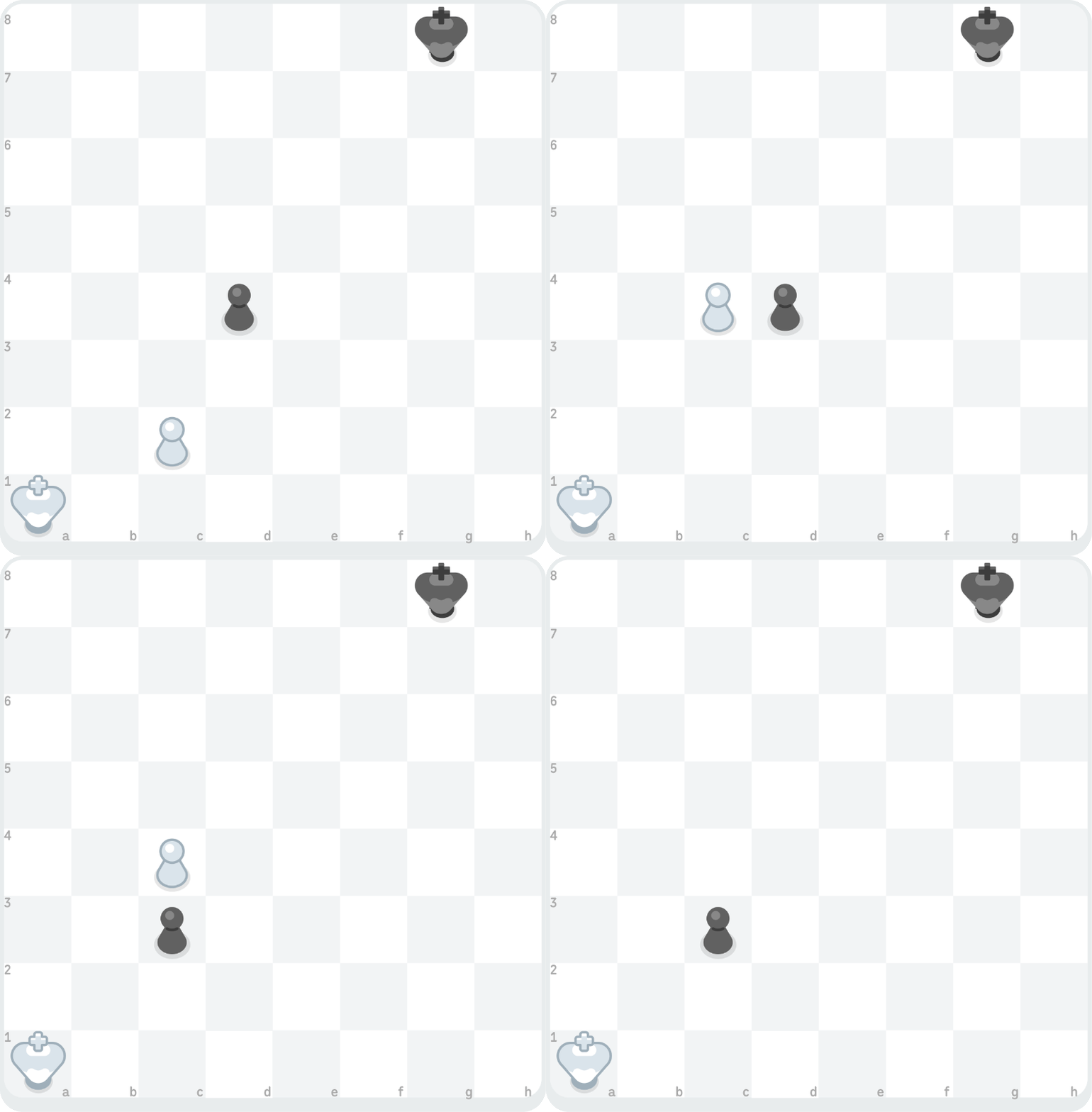
Here are two more examples comparing a regular capture to en passant, this time with Black capturing White’s pawn:
|
|
To record an en passant capture in algebraic notation, simply write the capture as normal, or append an optional “e.p.” after the capture. For example, to notate Black capturing White’s pawn on c3 via en passant, write either dxc3 or dxc3 e.p.
Don’t pass this up!
En passant may feel like a hurdle to learn and remember initially, but it’s an important rule in chess that can help you improve your game.
For more chess tips, check out our other posts: